Melrose Women’s Softball League Wraps Up Another Exciting Season
Written By Ellen Putnam
Photographed By Nancy Clover
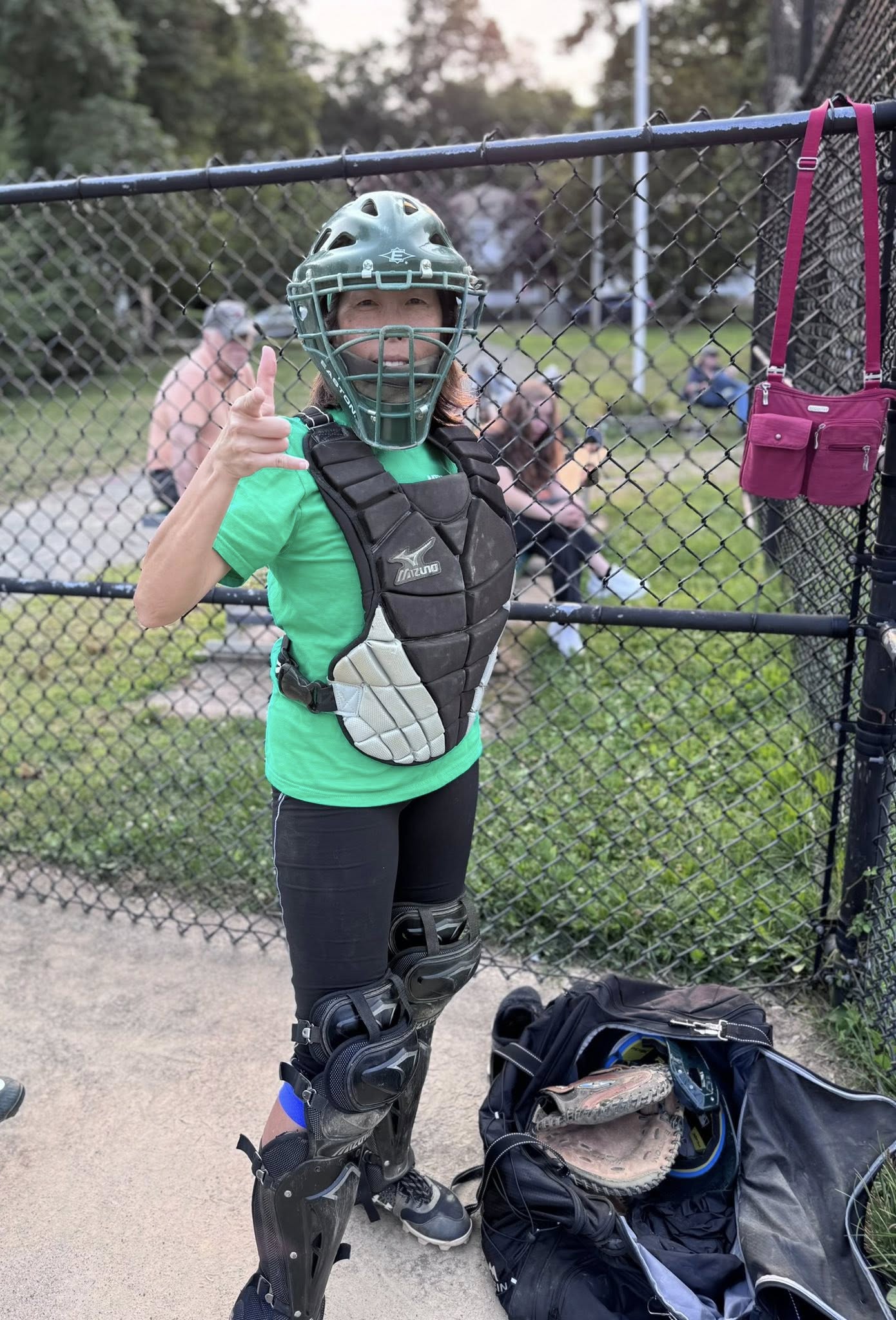
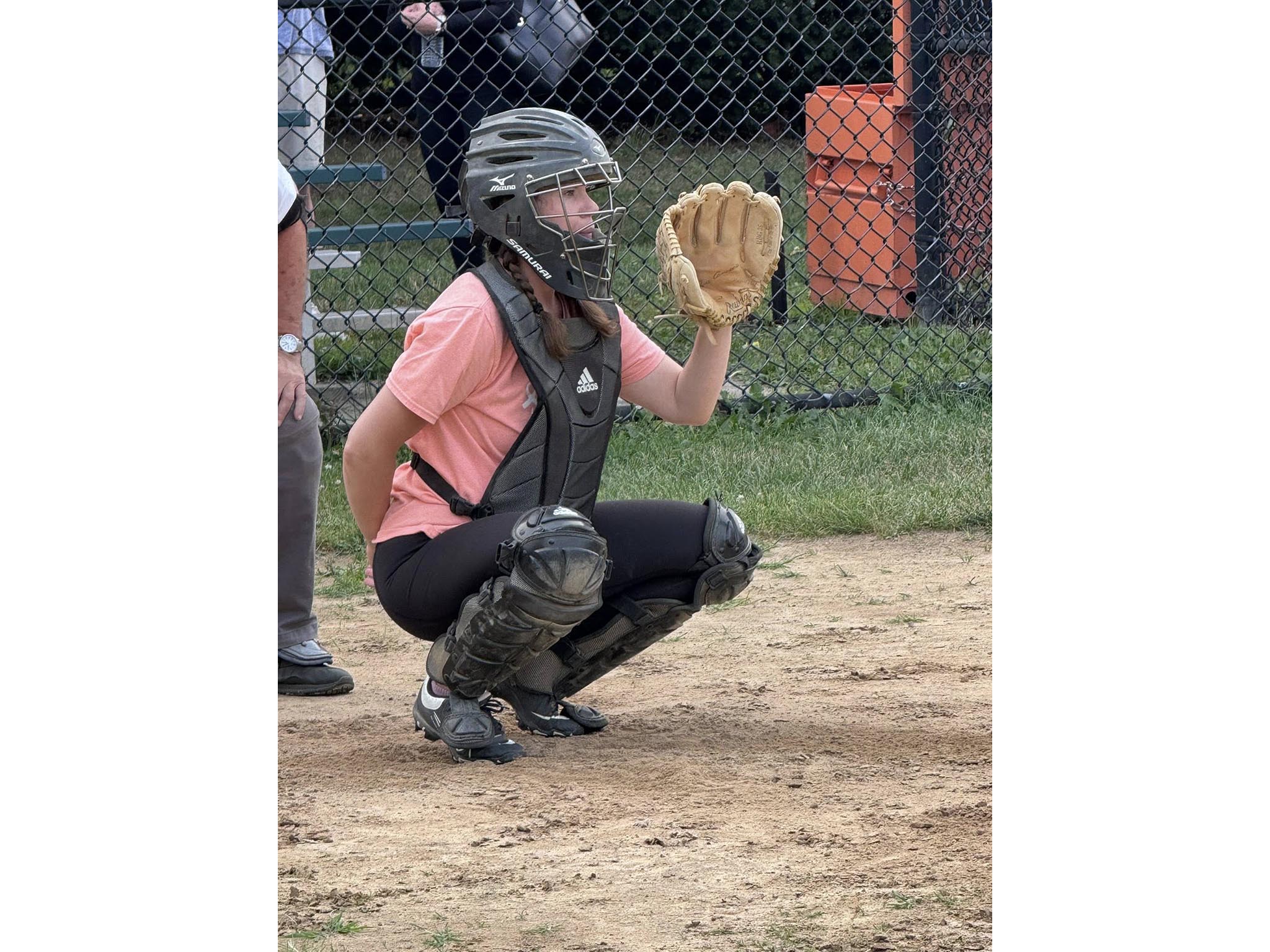
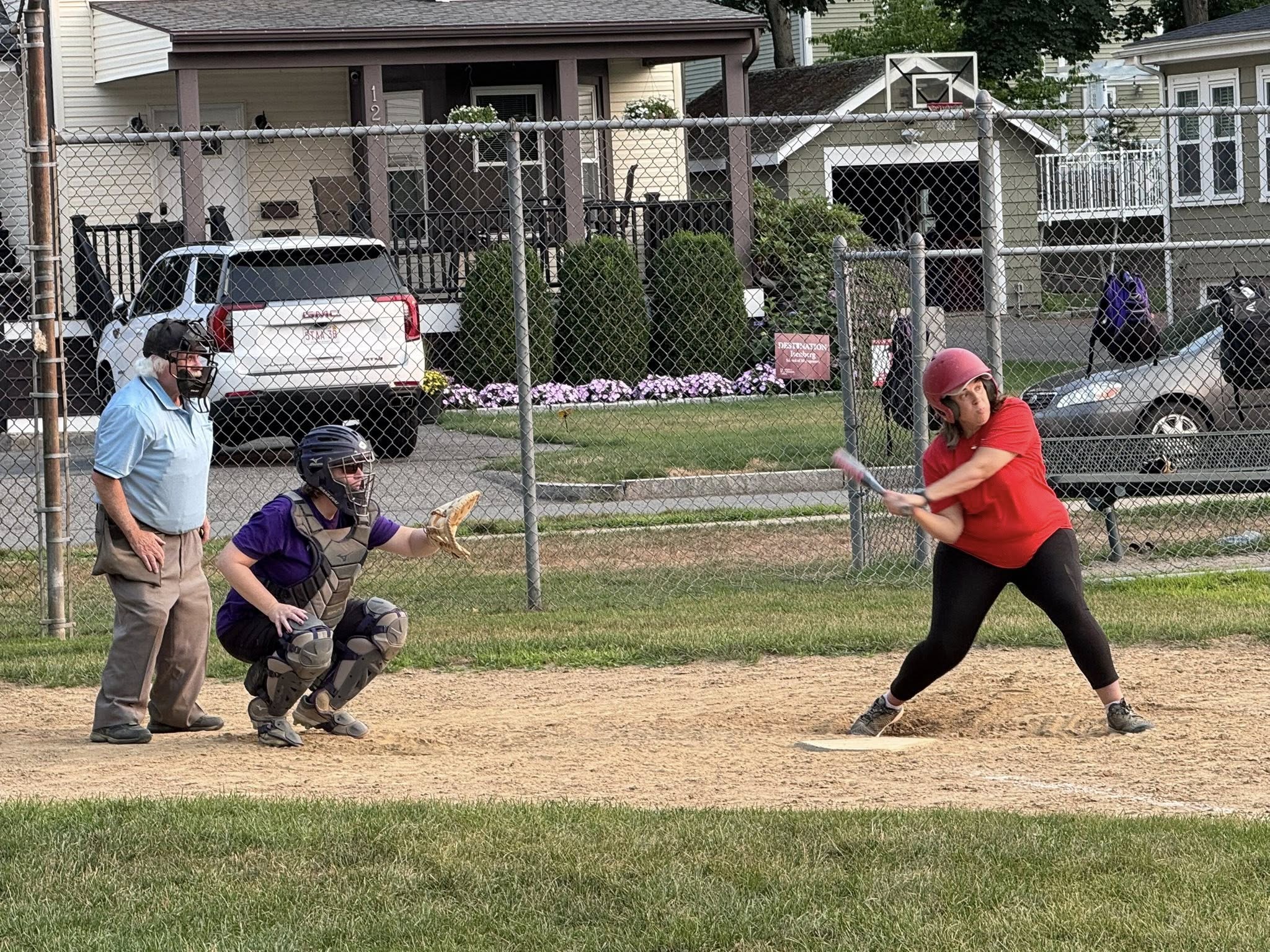
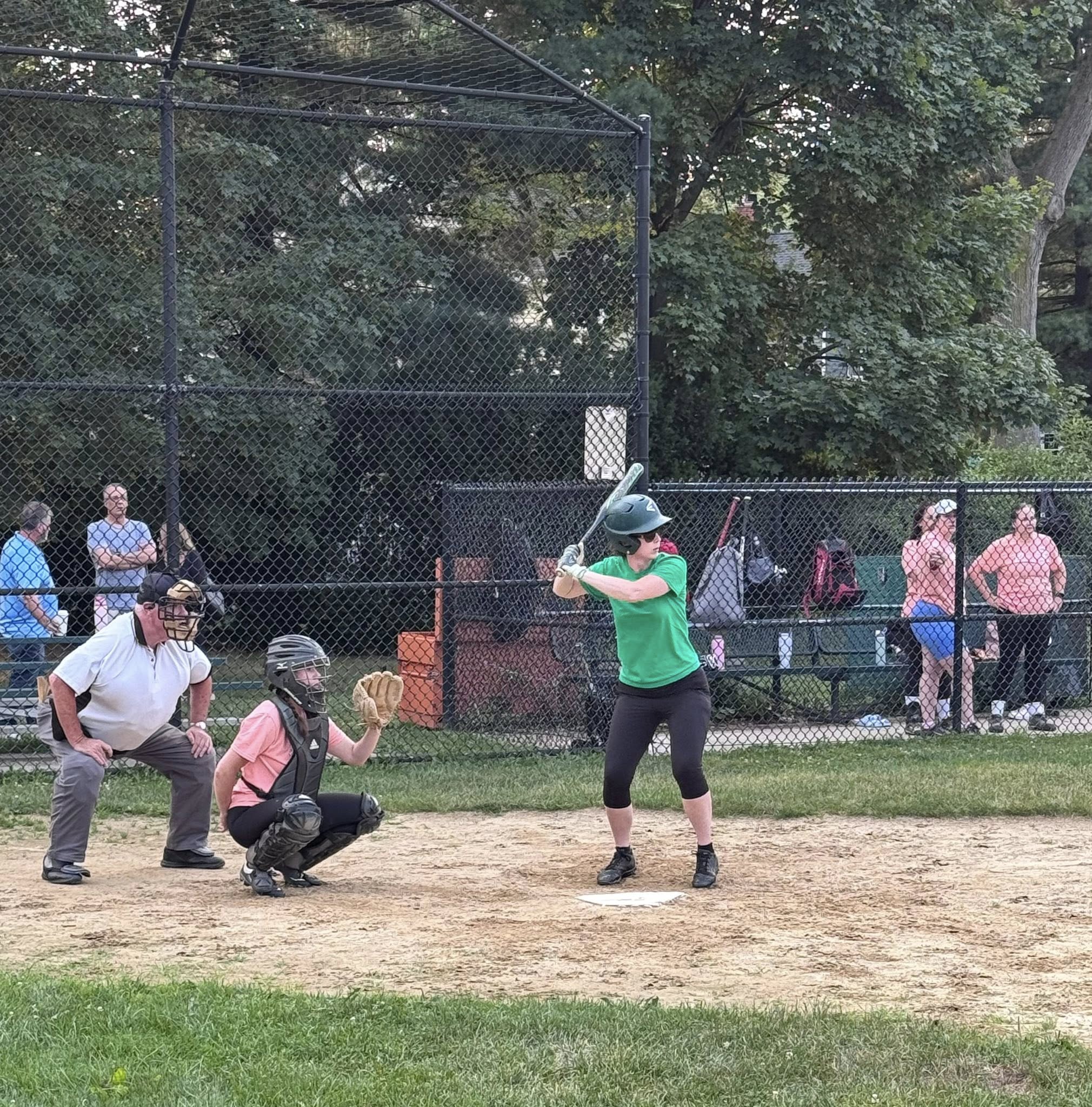
Green Team Catcher Stephanie Koh
The Melrose Women’s Softball League concluded their 32nd season this weekend on the Melrose Common with the Green team’s victory in the League championship.
Although Green finished third place out of six in the League this year, behind both Blue and Purple, they made their way into the final championship game after a “hotly contested” game with Purple (Green won by a single run). Then they defeated Blue, 11 to 2, to win the championship.
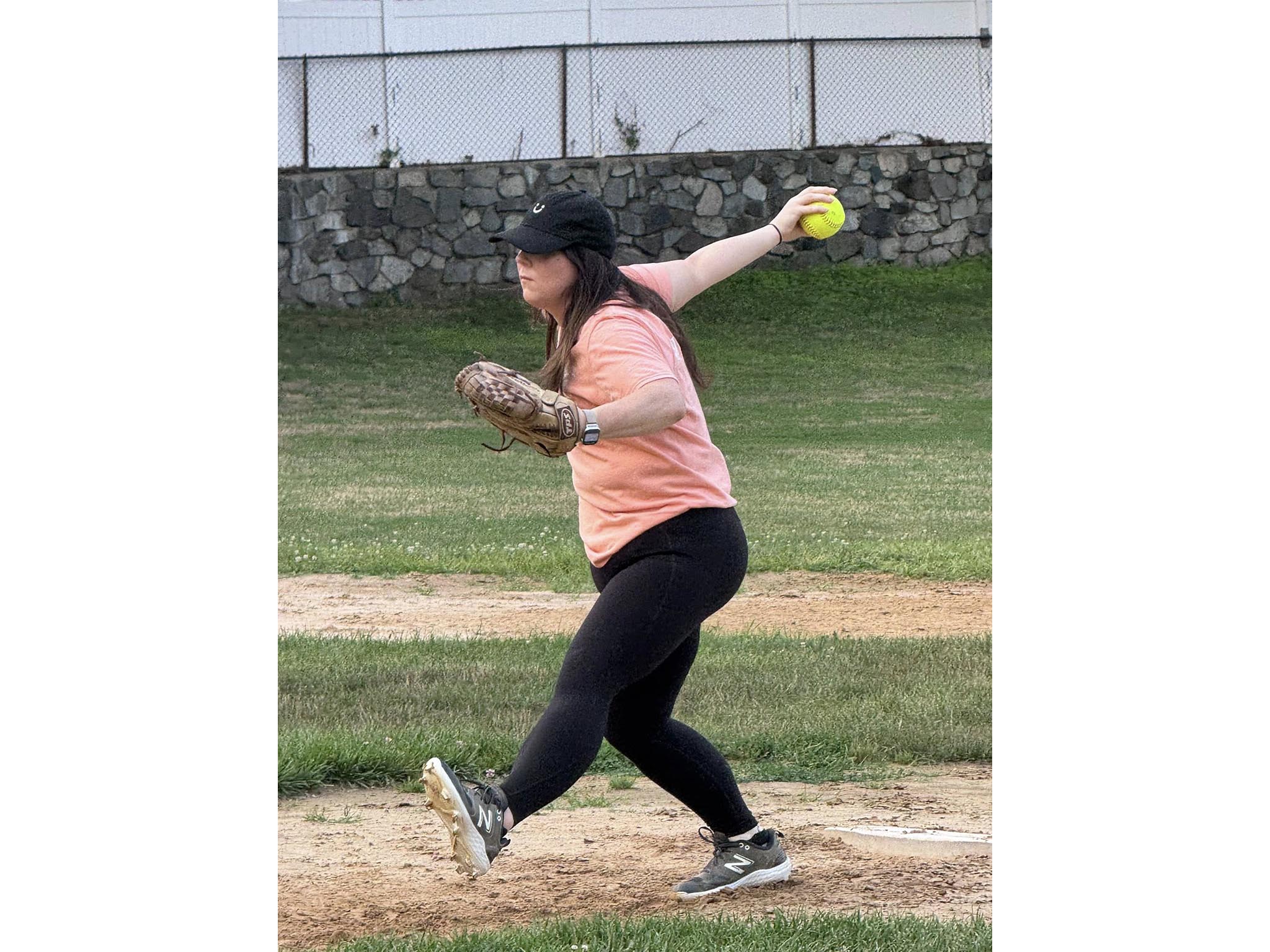
The Melrose Women’s Softball League was started in 1993, as a successor to Moms on the Mound. Play in the League is casual: there are no practices, and games are on Tuesday and Thursday evenings at the Common and at Hesseltine field (next to the Horace Mann School) throughout the summer. And anyone can play - many women who have become longstanding members of the League had never played softball before they joined.
Stephanie Koh, a member of the League’s leadership and the Green team’s catcher, first joined over two decades ago.
“I was a late bloomer, sports-wise,” Koh reflected. “One day, when I was working out at the YMCA, I poked my head into the gym, and there was a group of women playing volleyball. I was still a newbie to Melrose. After I joined the game, one of the women asked me, ‘Do you play softball?’ When I said no, she asked, ‘Well, do you run? Because we have this women’s league.’ And that was it!”
“We get a wide variety of people coming in,” Koh went on. “A lot of people played in high school and college, but other people are just looking for something to do. They’re coming to make a connection. Yes, there is a sports aspect, but it also feeds another aspect: people want to belong.”
The League was originally a 30-plus league, and has now shifted to 22-plus to be more inclusive of all adult women who want to play. Many women play for their team for years, if not decades, and some are even second-generation players - daughters of women who have played in the League.
There are no try-outs for the League, and no one is turned away. Each team tries to have extra players on the bench, so they can still field a full team at each game, even if some players are on vacation or can’t attend. And, said Koh, “as far as I know there’s never been a practice. It usually happens at the bar or at someone’s house.”
“When I started,” Koh said, “I was literally a kid who knew nothing. I didn’t know a lot of people. But it doesn’t matter if you’re the best player or the worst, the oldest or the youngest, a mom or a divorcee. Through the years, you build friendships and community.”
“It’s supposed to be a rec league,” she added, “but we all have egos and we’re competitive. Everyone is watching the stats. For the first ten years I played on the Green team, we were dead last, but it didn’t matter, because all of the teams go to the playoffs and get a shot at the championship.”
“The championship is kind of like Christmas Day,” Koh reflected. “Everyone looks forward to it. There’s a huge fanfare, and it’s so cool to watch the different fans that come in, the families.”
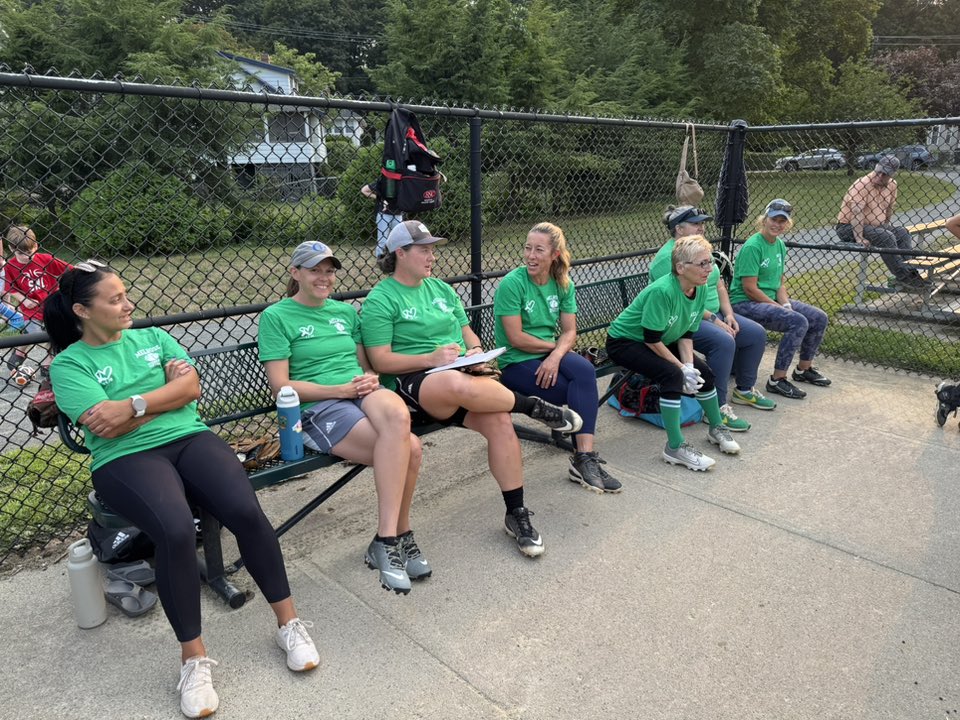
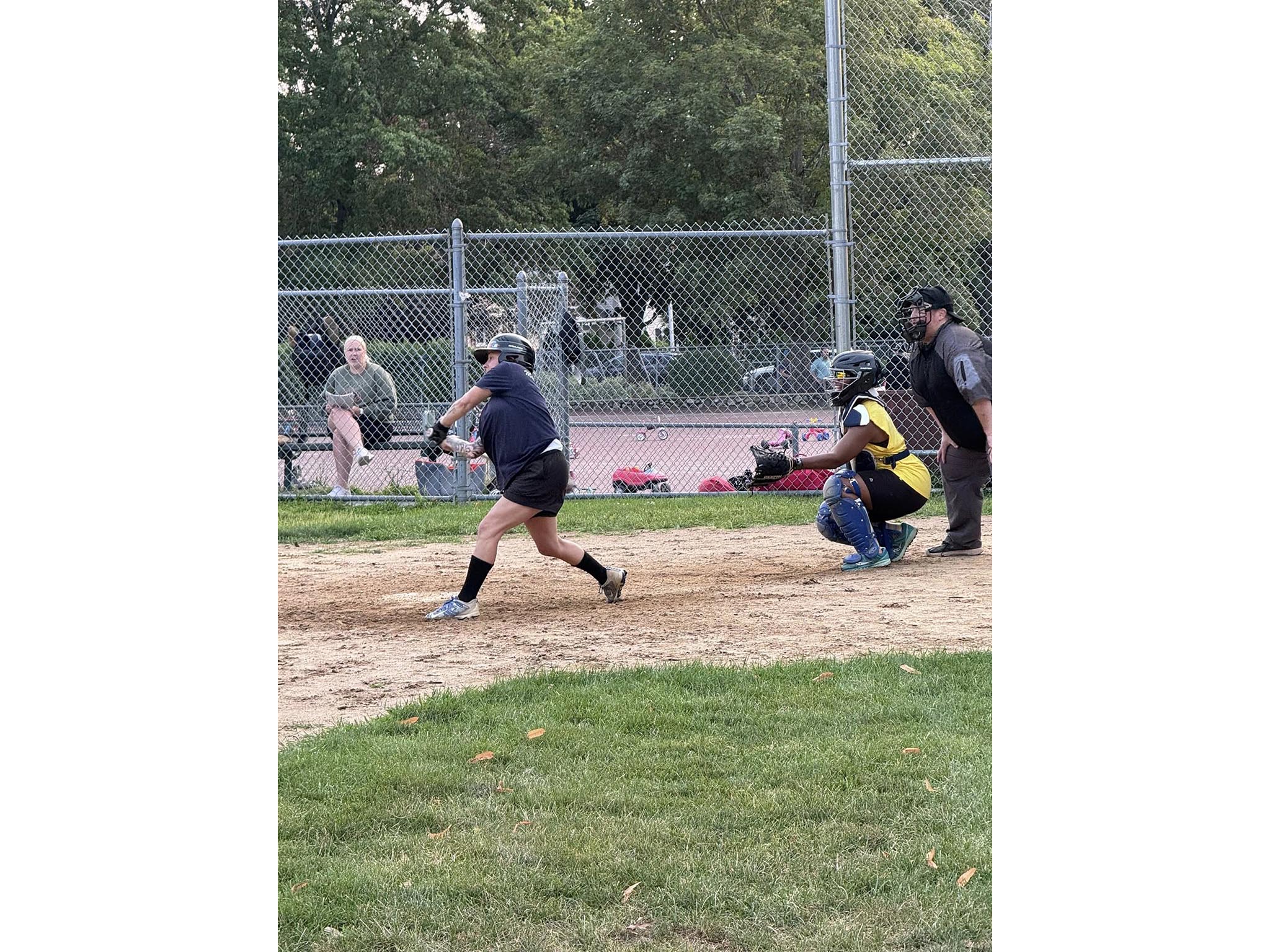
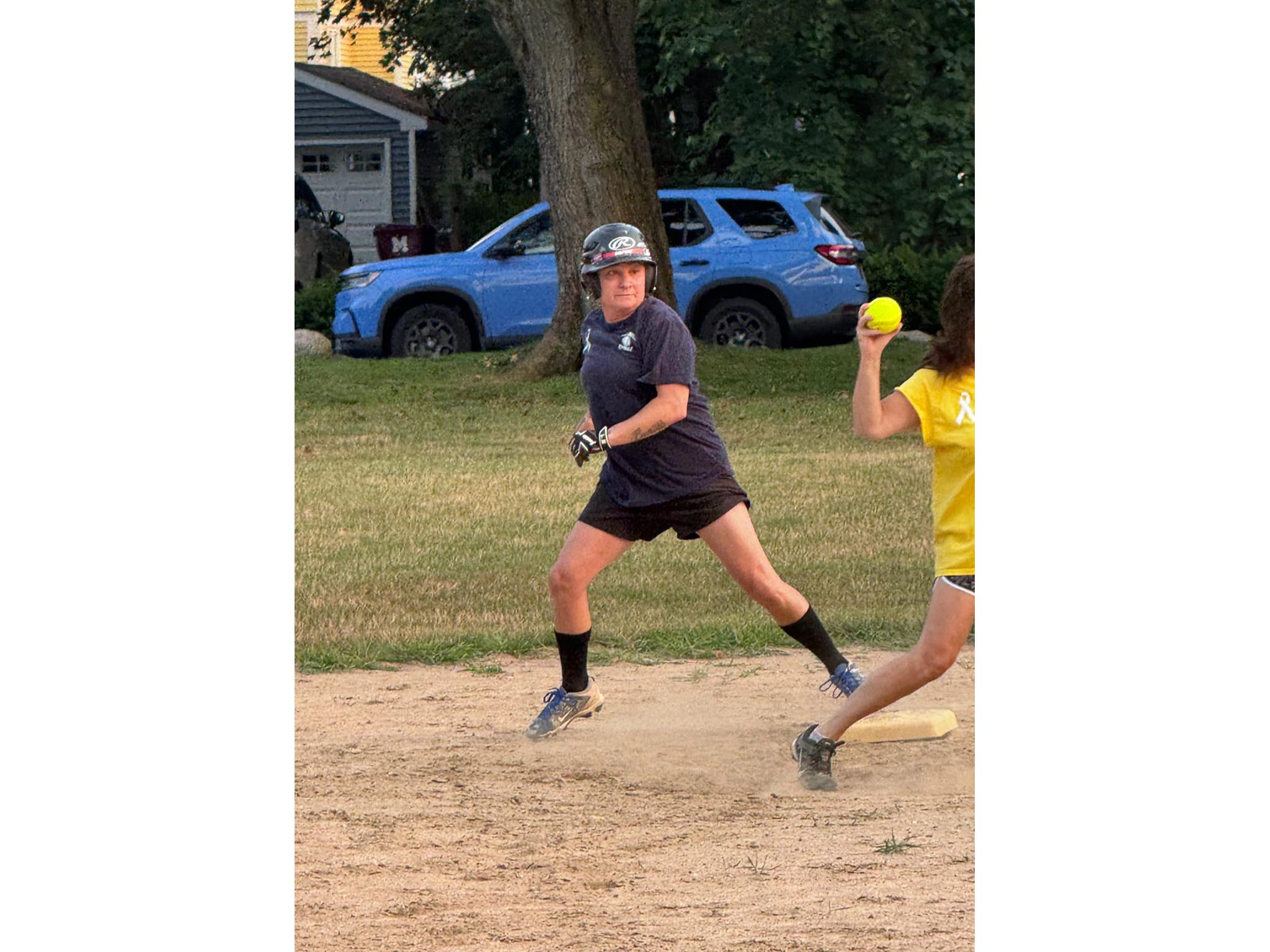
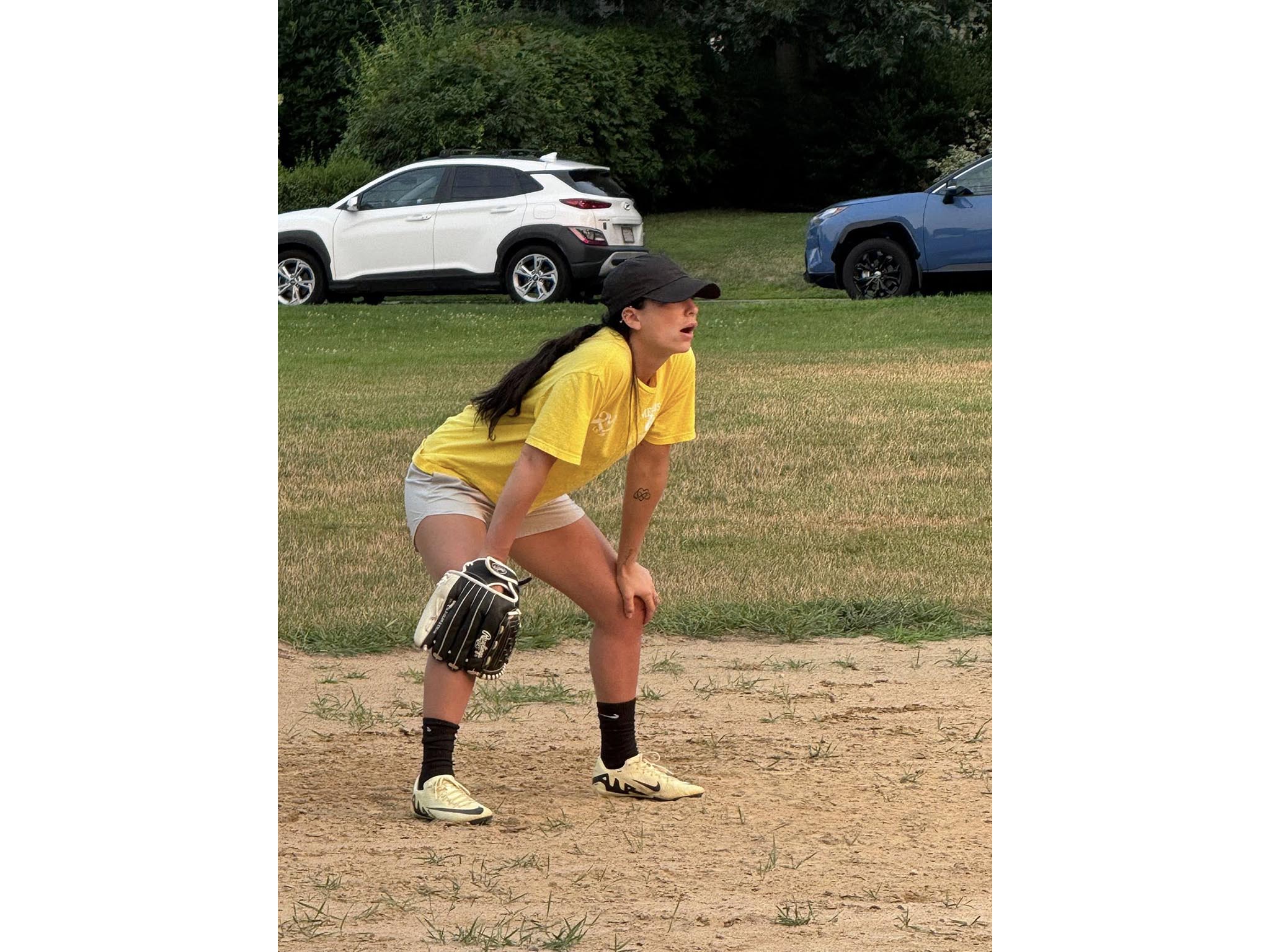
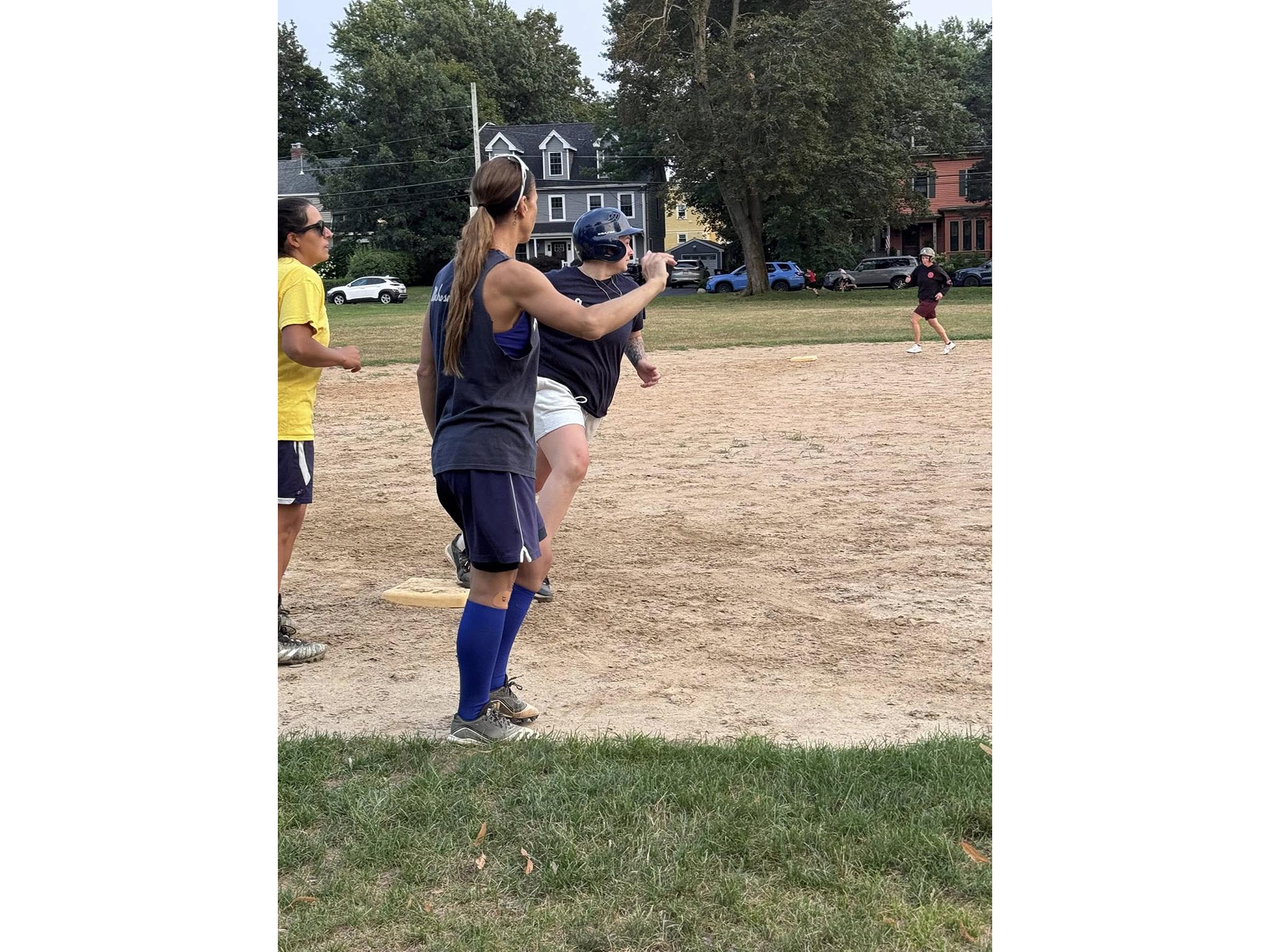
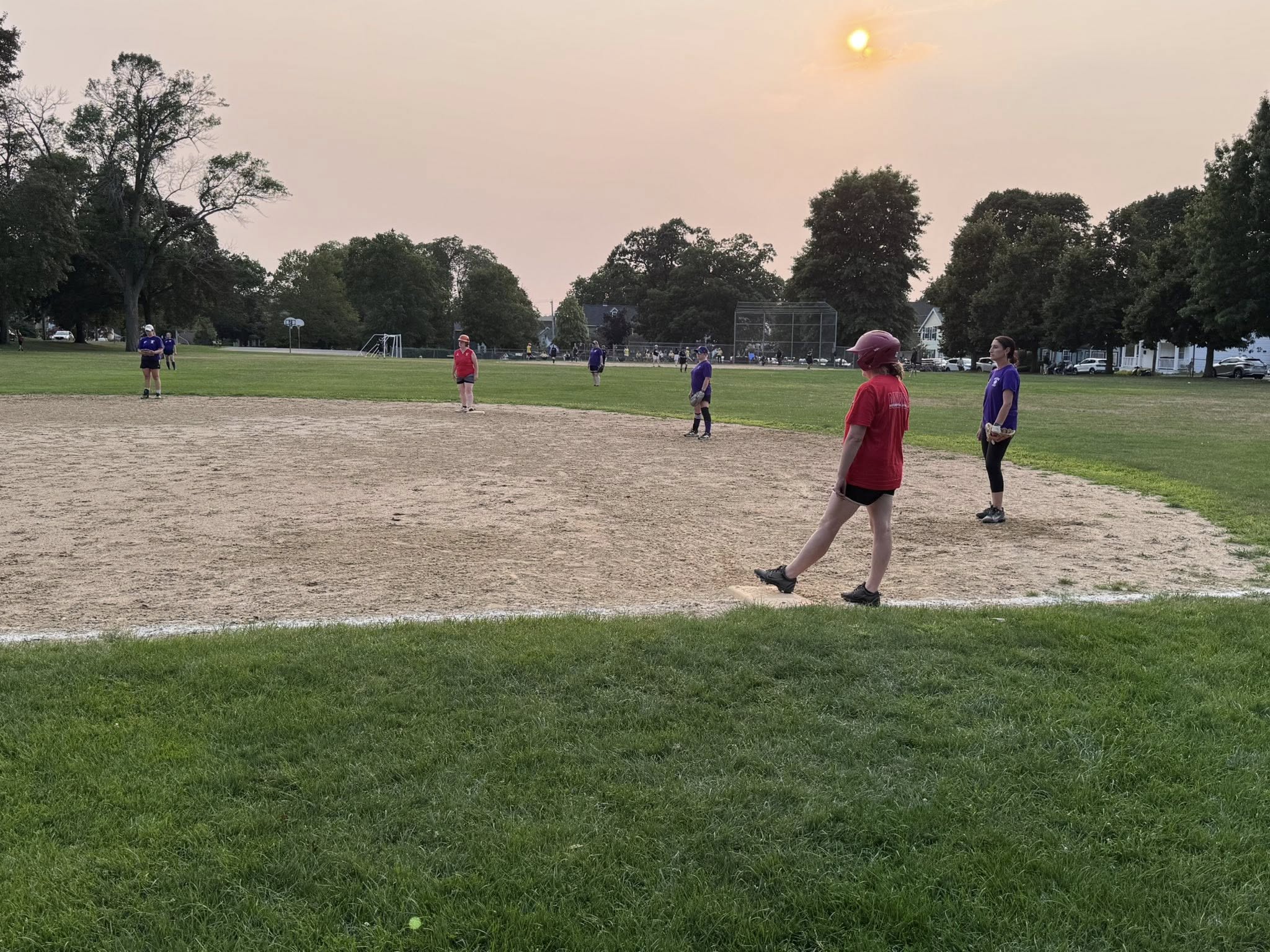
Saturday’s championship on the Common certainly had a celebratory feel: each team had their own tent where they camped out for the day - the playoffs ran all the way from early morning to late afternoon - and players and fans alike showed up in team colors, costumes, and face paint. While the games might ultimately be fun between friends, there was certainly a competitive aspect: umpire calls were highly scrutinized, and every hit was met with wild cheers from teammates and viewers.
The League has had the same six teams for over 25 years, each of which has a local sponsor. The teams are named for colors, since the sponsors sometimes change over the years.
“As businesses have come and gone, the sponsors have changed,” Koh reflected. “I still remember when Johnny’s Food Master and Morgan Jewelers were sponsors.”
The current team and sponsor matchups are:
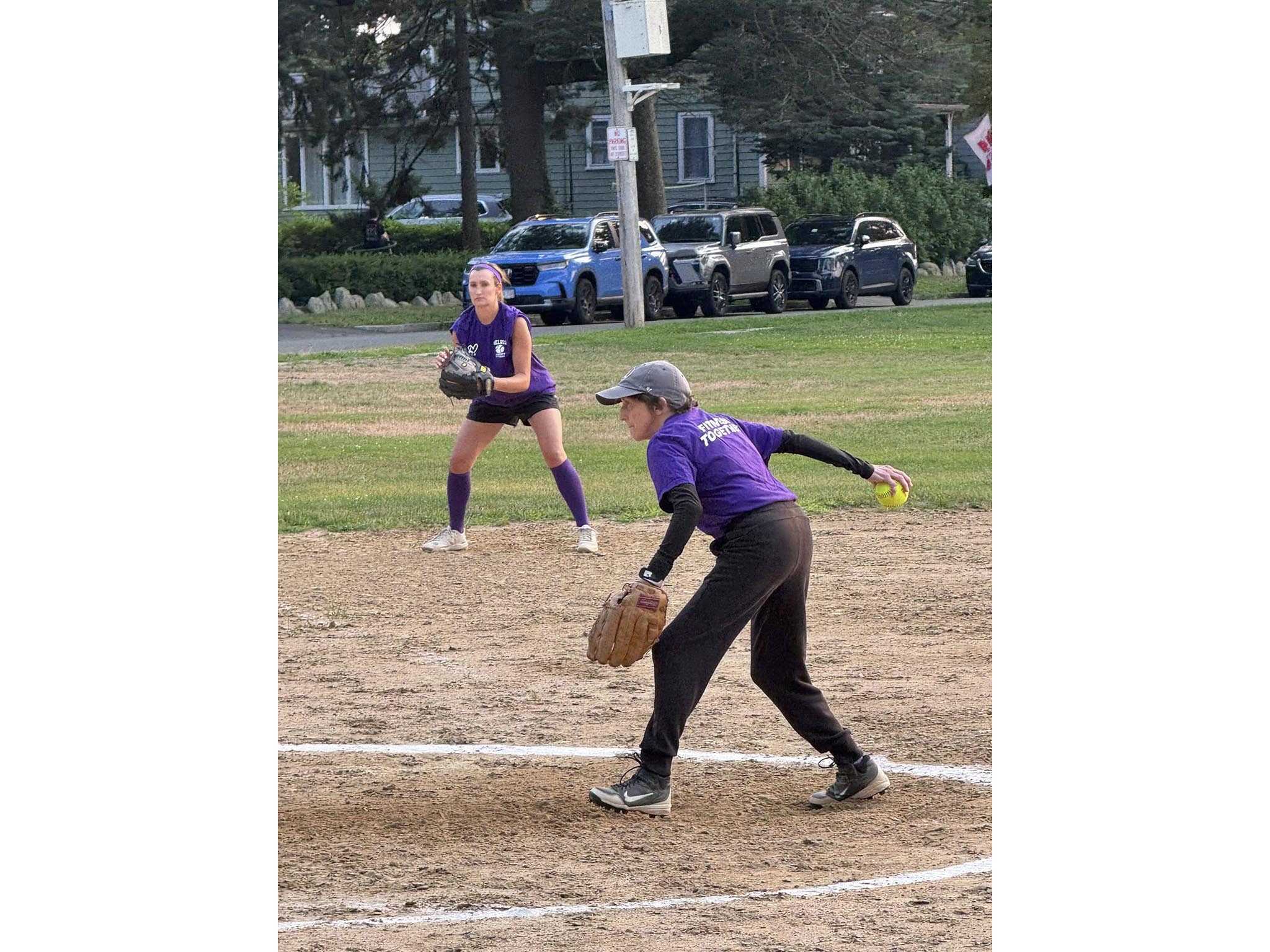
- Fitness Together – Purple
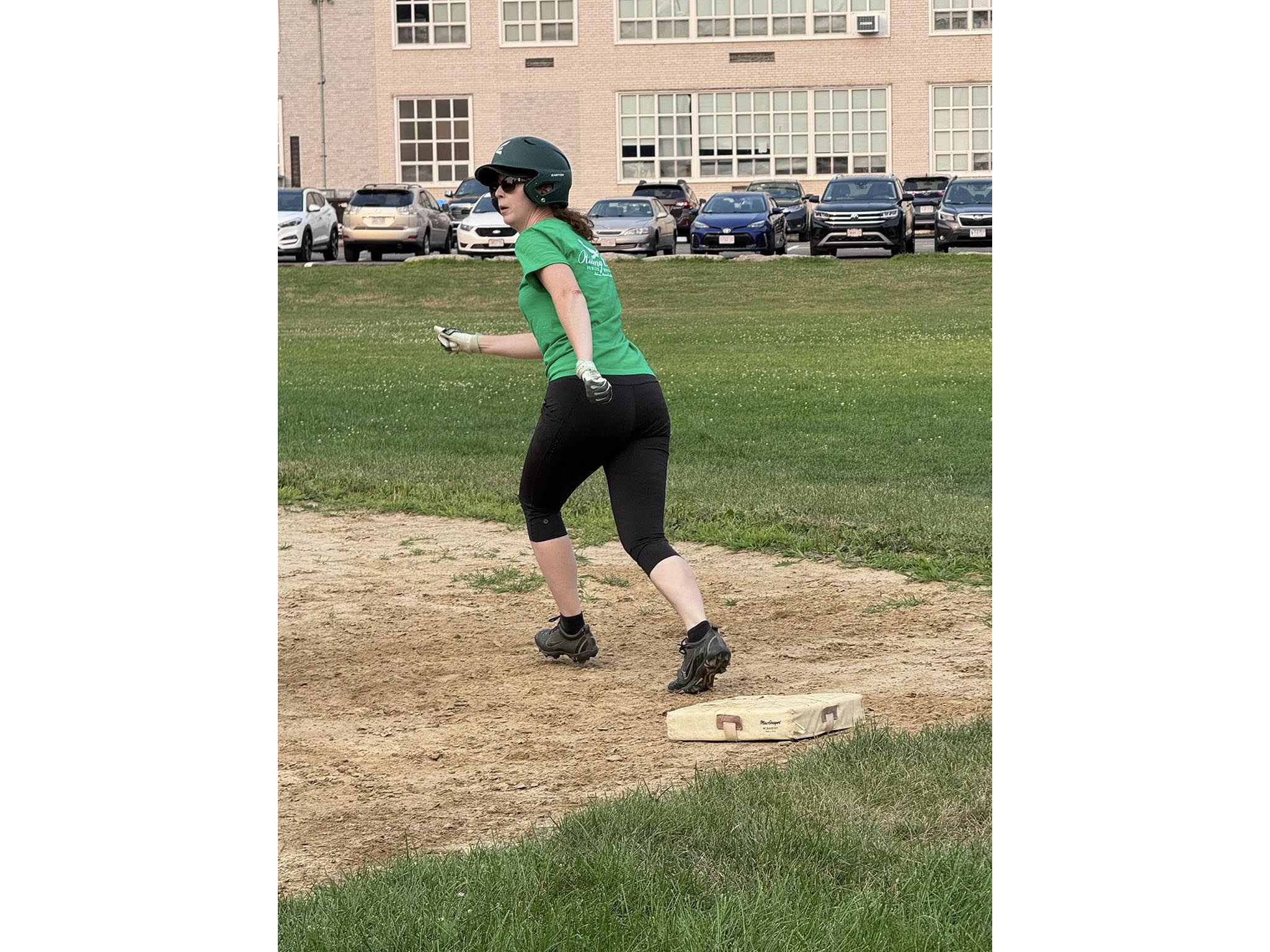
- Rising Eagle – Green
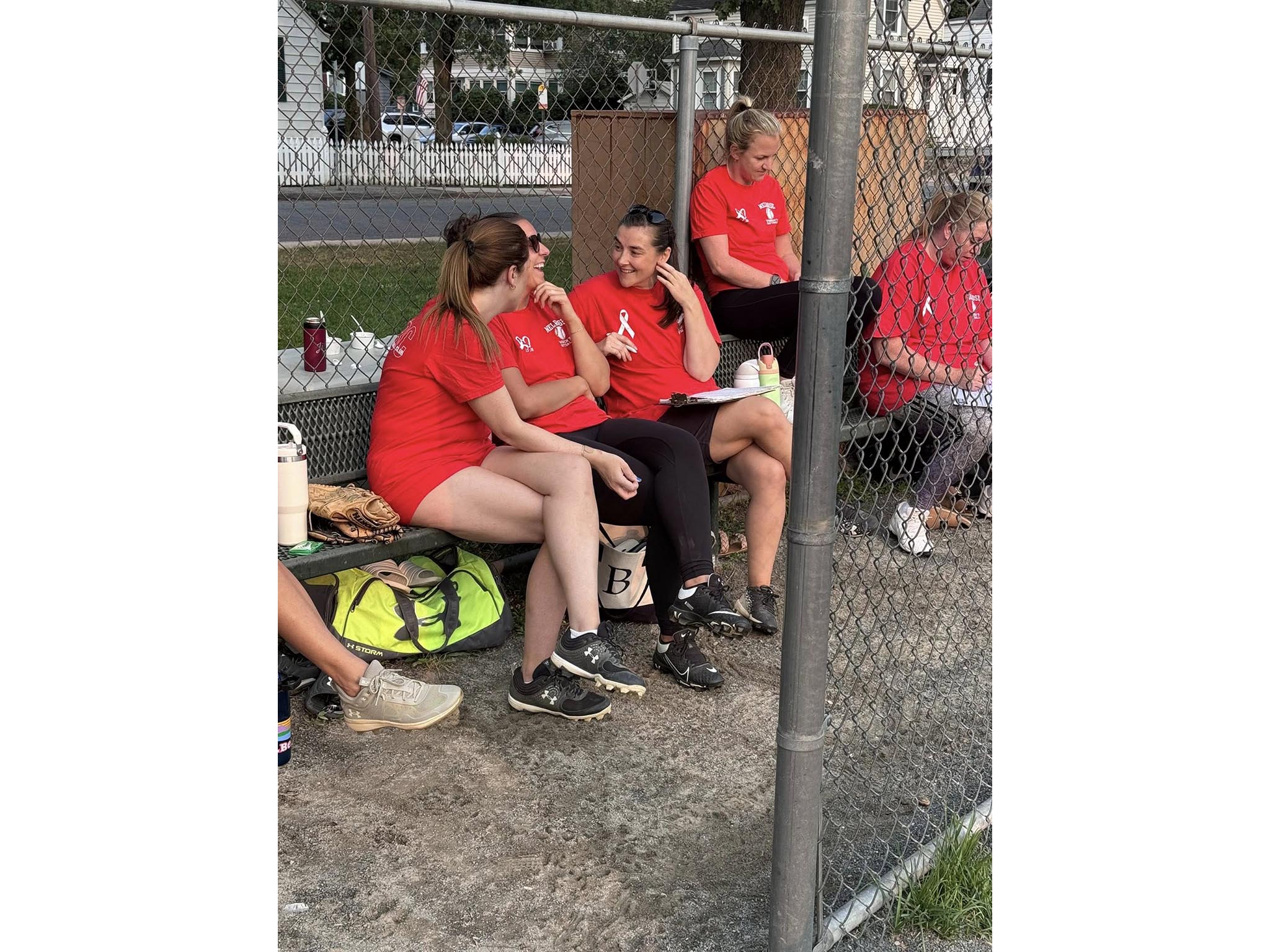
- Mass Impact – Red
- Melrose Glass – Navy
- Bobby C’s – Yellow
- JJ Grimsby’s – Pink
“Our sponsors really care,” said Koh. “They help create this venue that brings people together.” Sponsors fund the team’s shirts and equipment, and in return, teams often bring business to the sponsors. “After our games,” she added, “we usually end up at Grimsby’s or Rising Eagle.”
Koh reflected that, while the League might not get as large an audience as, say, high school sports do, their fans are dedicated, and the tight-knit feel of the League helps everyone feel included.
“The Green team was adopted by three fans last year,” she said. “They had seen us play on the Hesseltine field for years, and they just decided they were going to cheer for our team. We got them shirts and green apparel and everything. And at the start of this season, one of our fans said, ‘We have been waiting all year for you to come back. It gives me joy and a reason to get out of the house and feel like I’m a part of something, even though I’m just a fan.’ It’s heartwarming. That’s what it should be.”
“If you come see us,” Koh added, “you’re going to see good play, and listen to banter. Everyone is really nice, we love each other, and we also give each other a really hard time. It’s all in great fun. You’ll get to watch a lot of antics.”
Koh estimates that about half of the players are from Melrose, while others come from surrounding towns that don’t offer a similar experience. One attendee at Saturday’s championship said that she had played for the League until she moved up to Maine. “I can tell you, there’s nothing else like this,” she said. “This is really unique.”
There has been women’s softball in Melrose for decades, but interest in women’s sports across the country has recently experienced what one outlet called a “meteoric” rise in popularity.
“The great thing about women’s sports is that it has always been there,” said Koh, “but it has not always been as prominently featured as men’s sports. It’s the evolution of continued equality of women, and I think it’s just going to become bigger and better. When we lowered the age bracket to 22, we were able to bring younger players in, and bring more visibility to what we do. I think right now is a wonderful time for women’s sports.”
To learn more about playing the Melrose Women’s Softball League, or to see the schedule of games, visit their website.