Candidate for School Committee: Camarie Clark
By Ellen Putnam
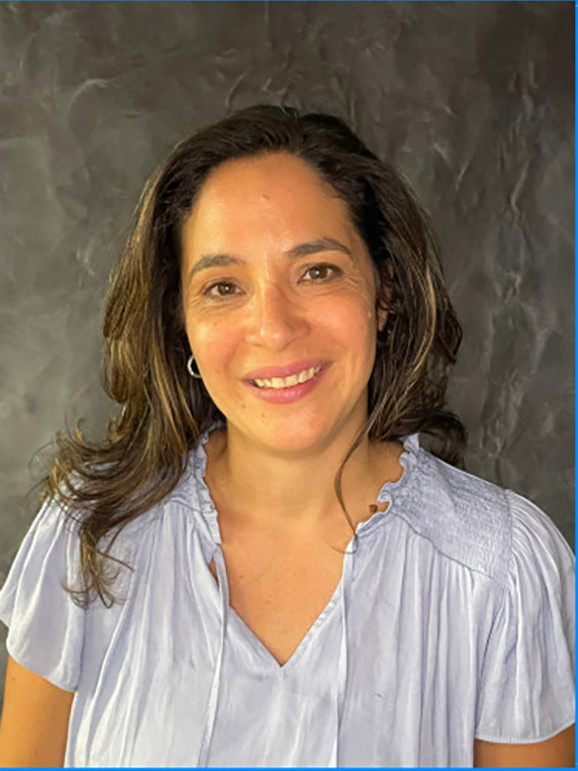
Photo From Camarie Clark
Camarie Clark is running for School Committee because, she said, “we have had four superintendents in four years. We do not have stability in our leadership. I think it’s important to have somebody in the superintendent position that the School Committee can support and who can create that level playing field for everybody. We’re always stuck in that transition year - transition after transition after transition, but we’re never moving forward.”
“I’ve been in the community for 22 years,” she went on, “My kids are a high school graduate, a high schooler, and an elementary schooler. I’ve volunteered in the schools, I’ve been on the PTO, I’ve done everything at the school level. I have a lot of experience, and I think my perspective would be helpful.”
“I’ve worked in a variety of jobs that have required teamwork and collaboration,” Clark continued, including at the American Cancer Society, at a group of hospitals across New England, and most recently at Beth Israel Deaconess Medical Center. “I’ve done data analysis and worked with leadership to improve patient experiences and satisfaction.”
“The School Committee really does require collaboration,” she went on, “not just with other members of the School Committee and the superintendent, but also with teachers, students, and families.”
When talking about what she would emphasize in her work on the School Committee, Clark said, “we need stability - strong leadership keeping us stable, on the right path and in the right direction.”
“And sustainability,” she added,” Any decisions need to be thought about not just for the present moment but for the long term. As it relates to the budget: how will this impact, not just this year, but years to come? In terms of any policy the School Committee is considering: Is it sustainable? How does it work? Looking at some of the changes we’ve made recently - with some of the recent budget cuts, we’ve made reductions in teachers. How are our teachers doing with larger class sizes? What can we do to support them, to keep things sustainable across the spectrum?”
“And I believe in leadership through listening,” Clark went on. “I want to make sure that we hear from all voices. I have my own experiences, but I’m there to be a voice, not just for my own ideas, but for the ideas of the community. I want to reach out and hear more from everybody, and really listen to what the issues are.”
“We have amazing parents here in Melrose,” she continued, “we have great PTOs that really step up and support the schools to help create a great community where families can get to know each other and participate in the schools. There’s a lot of support, especially in the elementary schools for things like spirit days that make school fun and help with school-community engagement. We even have PTOs at the middle and high schools, which not a lot of districts have. They do a lot of work to support a lot of different initiatives across the spectrum.”
“And we have great teachers,” she added. “A lot of our teachers here are really committed to getting kids to learn. They want to hear from parents who reach out. They are a huge asset.”
“I think a lot about what’s the end goal for our kids,” Clark went on. “What are we trying to get them to be able to do? Our world is changing - AI is here, ChatGPT is here. We heard at the open houses this year that teachers are going back to pen and paper because they don’t want kids to be using these tools inappropriately.”
“And college is so expensive now,” she continued, “Is that the right path for everyone? How are we getting there? What are the skills that our kids really need to have when they graduate, no matter what path they go down? A lot of what we do is geared toward college, but that’s not the path for everyone right now. The world is shifting, and we need to be flexible and support some of those shifts that are happening.”
“When we look at the metrics,” Clark added, “when we’re looking at our literacy and math proficiency, a lot of times, we’re comparing ourselves to the state average. But even if we have 70% proficiency in literacy, that means that there are six students in class of 20 who are not where they need to be, and that’s a lot. We need to look at what the goals are and how they’re structured, and we need to make up ground, because we’ve been losing it for a while now.”
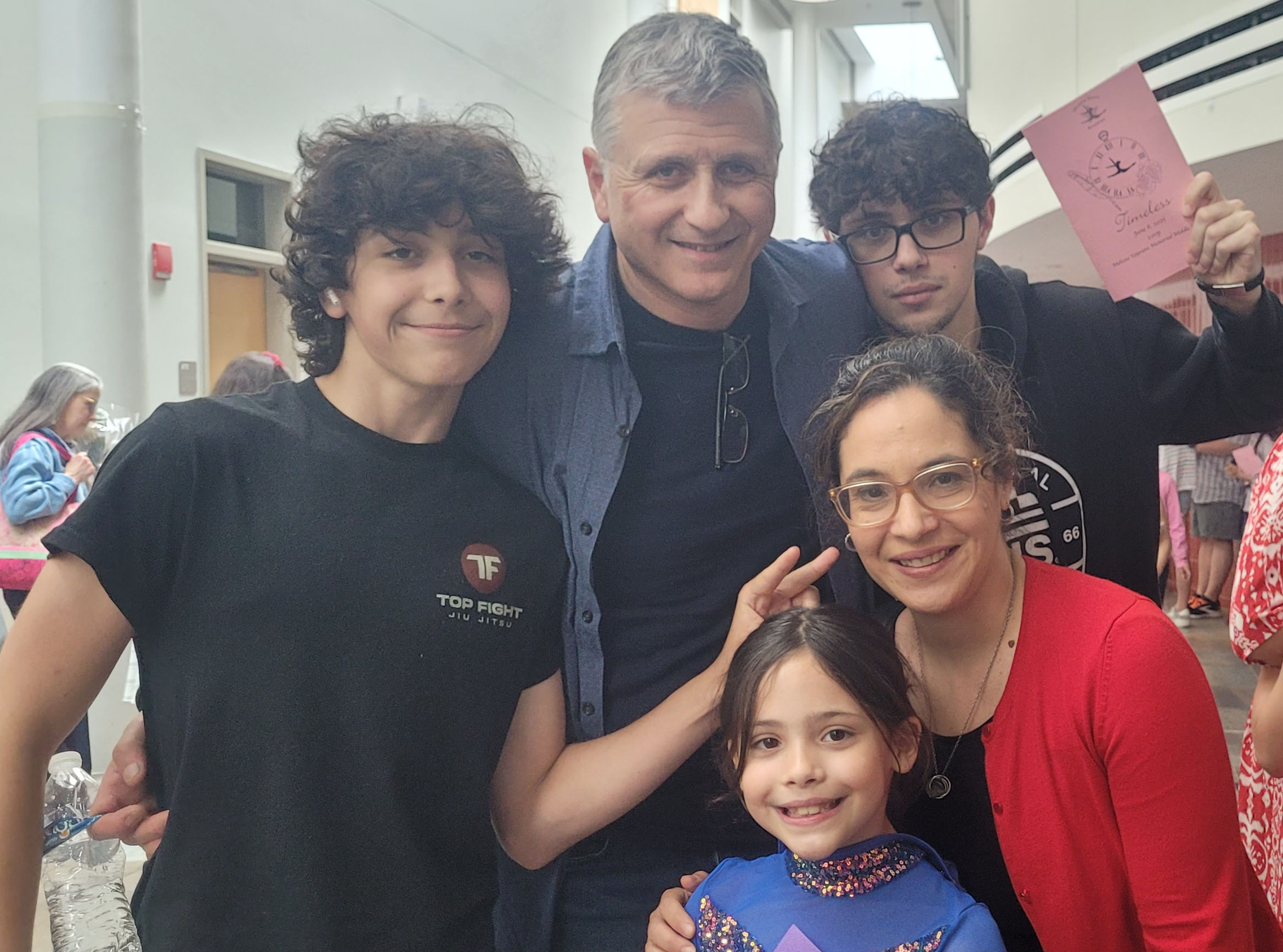
Photo From Camarie Clark
“The budget is absolutely tight,” she went on, “and we need to be thinking about how we’re spending money, and how budget cuts are impacting the schools. We’ve made cuts to our teaching staff and we have increased class sizes and it needed to be done to balance the budget, but what are we doing right now to support teachers who have those large class sizes? How are we communicating with them, and with the principals? How is the School Committee working on opportunities in the moment to help support those teachers, especially at the beginning of the year? You can’t just make a decision and then walk away - you need to keep monitoring things and looking at what the opportunities are to support people.”
“We can be using all kinds of metrics to look at student performance,” Clark added, “hard metrics and data points, and soft metrics. We need to pull all of it in to support our decisions. We are where we are, and we have to deal with what’s in front of us, so we need to hone in and identify what the ramifications of those decisions have been and will be.”
As for the override questions that will be on the ballot, “My general thought,” Clark said, “is that the override is a community decision. Yes, the schools are part of it, but there’s a lot that goes into people’s decisions on the override. I think that, in the end, the School Committee is given a budget, which comes from the hardworking residents of Melrose, and we need to be strong stewards of that money. We need to be mindful of how we’re spending it.”
“If an override passes,” she went on, “there will be money to do some things with. We don’t know what level it would pass at, and we would need to consider how we would be spending it - we’ll need to make sure we’re maximizing the benefit of whatever we spend. I don’t think that the town wants another override request in one or two years. It’s a tough decision.”
“If we don’t get an override,” Clark continued, “we’ll have to figure it out. We’ll need to get creative, and do what we can with what we have. I think it’s worth listening to and getting ideas from the community about other ways to generate income. If we’re not getting money this way, how will we get additional funds? We look at grants a lot, and we need to dig deeper there. We need to keep going, and we need to listen to what our community says - agree or disagree, it’s a personal opinion, and the School Committee needs to deal with the money they have to work with.”
Outside of financial challenges, the most important issue to Clark is leadership. “We need a strong superintendent the School Committee can support, who can give us direction and the stability to get us to move forward. Without that person, it’s going to be really difficult. That’s the person who’s going to have to guide our decisions, determine the budgets and how we’re spending, provide leadership we need to really listen to - that is the number one priority.”
Clark also wants to encourage more community involvement in the schools. “I hear people say, ‘I don’t have the right to ask what’s going on in the schools because I don’t have kids’ - but we need to hear from everyone. Our schools are a reflection of the whole town, not just the parents.”
She noted that Northeast MetroTech High School, which some Melrose students attend, offers community-school partnerships and practical learning in the form of everything from a bank branch within the high school to the daycare center to training in skills like auto repair and cooking. “All of that is very practical knowledge,” Clark reflected. “I love the internship they do for seniors” at Melrose High School, she added, “but they really have to make the most of it.”
Photo From Camarie Clark
Clark questioned the School Committee’s vote on the new cell phone policy for high school students. “I appreciate Melrose taking this step in advance of a potential state new requirement,” she said, “At the open house, I was hearing things from the teachers about how it’s been very helpful in the classrooms - how they have more engagement with students. And when you have slightly larger classes, it’s probably easier to manage the class when you don’t have to deal with kids being on their phones.”
“But there are some things we may want to consider and think about,” she added. “A lot of students use their phone for more than just texting and talking - they might use it for things like listening to music - what’s the alternative, when they’re in study hall, to listen to music and not disrupt the class? And when teachers talk about taking possession of the phone if a student has it out in class - I don’t know how practical that is. Teachers might be taking responsibility for a phone, and they’re often expensive.”
“There’s a lot of confusion,” she went on. “This is the policy today, but a lot of students are wondering what it’s going to look like next year. We don’t know what the state requirements will be, and if what they’re doing right now at the high school is OK. The idea and thought behind the policy is positive, but there are a lot of things that need to be worked out.”
Clark grew up in a military family, which meant that she attended a number of different elementary schools before her family settled down in Bedford. Her mother is from Puerto Rico, and she grew up in a bilingual household. “Moving around a lot as a kid,” she said, “I was exposed to a very diverse group of people in life - you get a very different worldview, and it means you have to be willing to talk to people, and learn how to make friends quickly.”
Clark and her family are passionate about exercise and healthy eating - her husband runs the Stoneham Natural Food Exchange, she cooks dinner for the family every night, and they are all very physically active. They have a rescue dog who loves to chase squirrels.