Melrose Victorian Home with a Magical Past
Written and Photographed by Nancy Clover
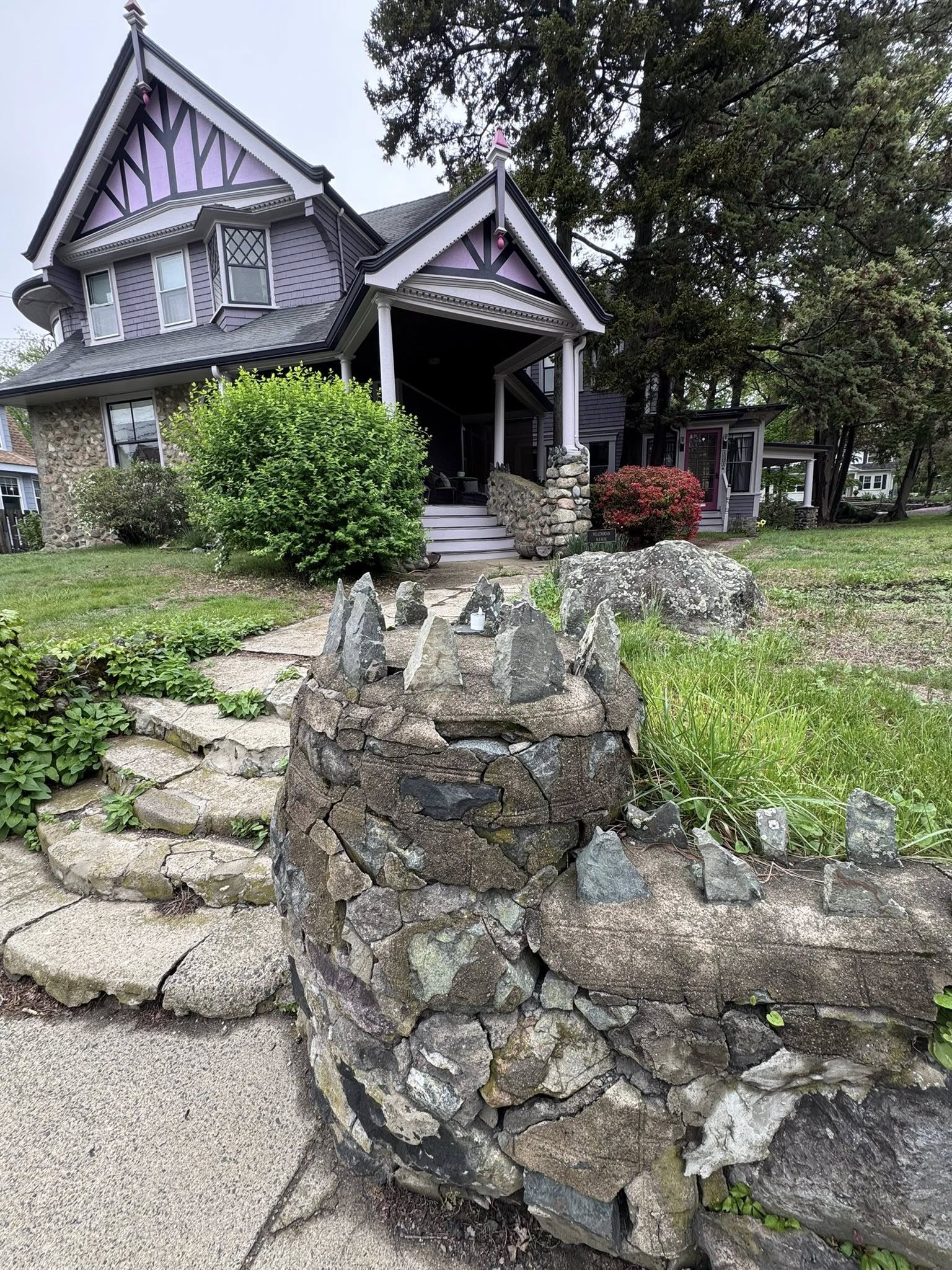
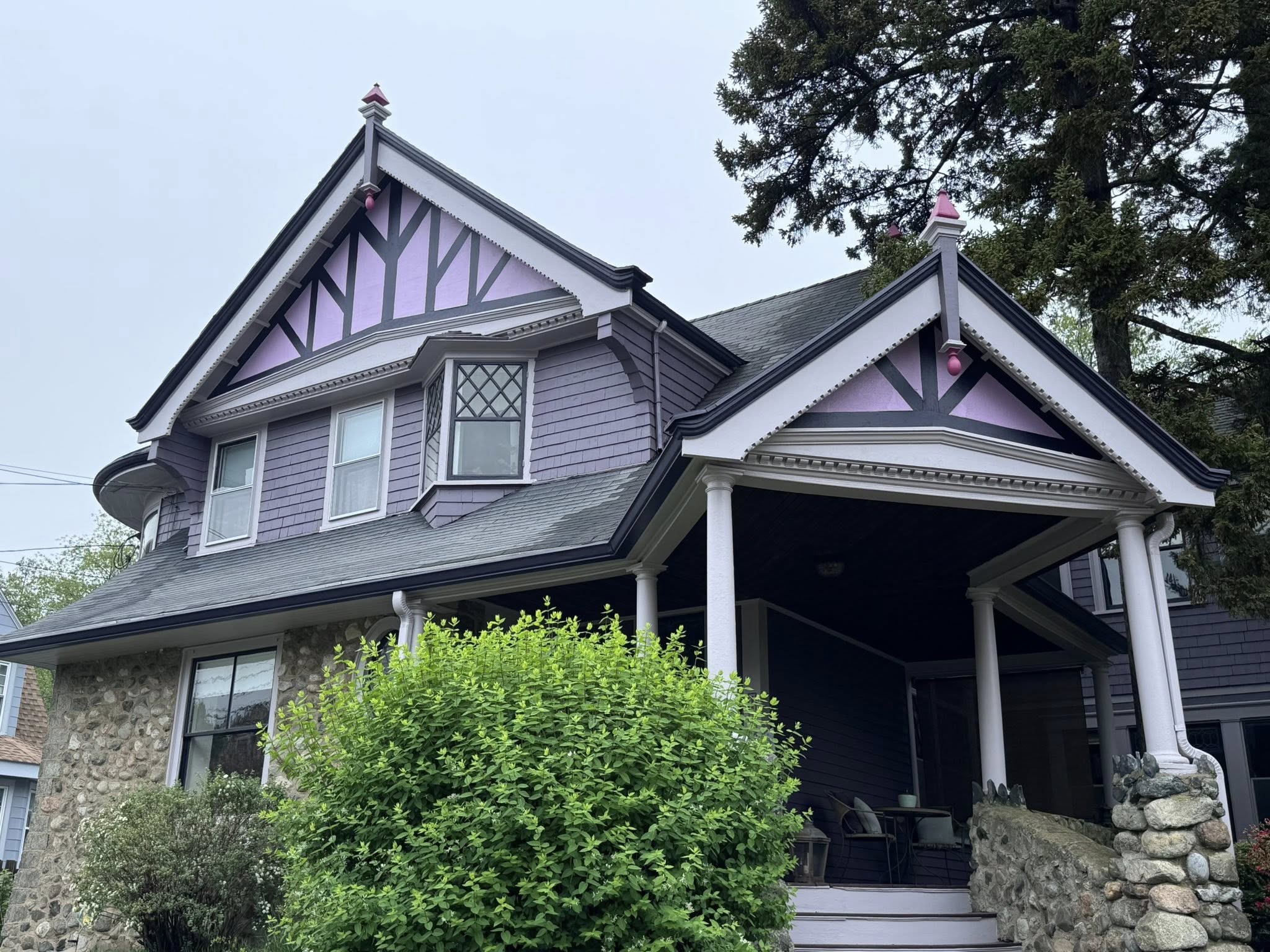
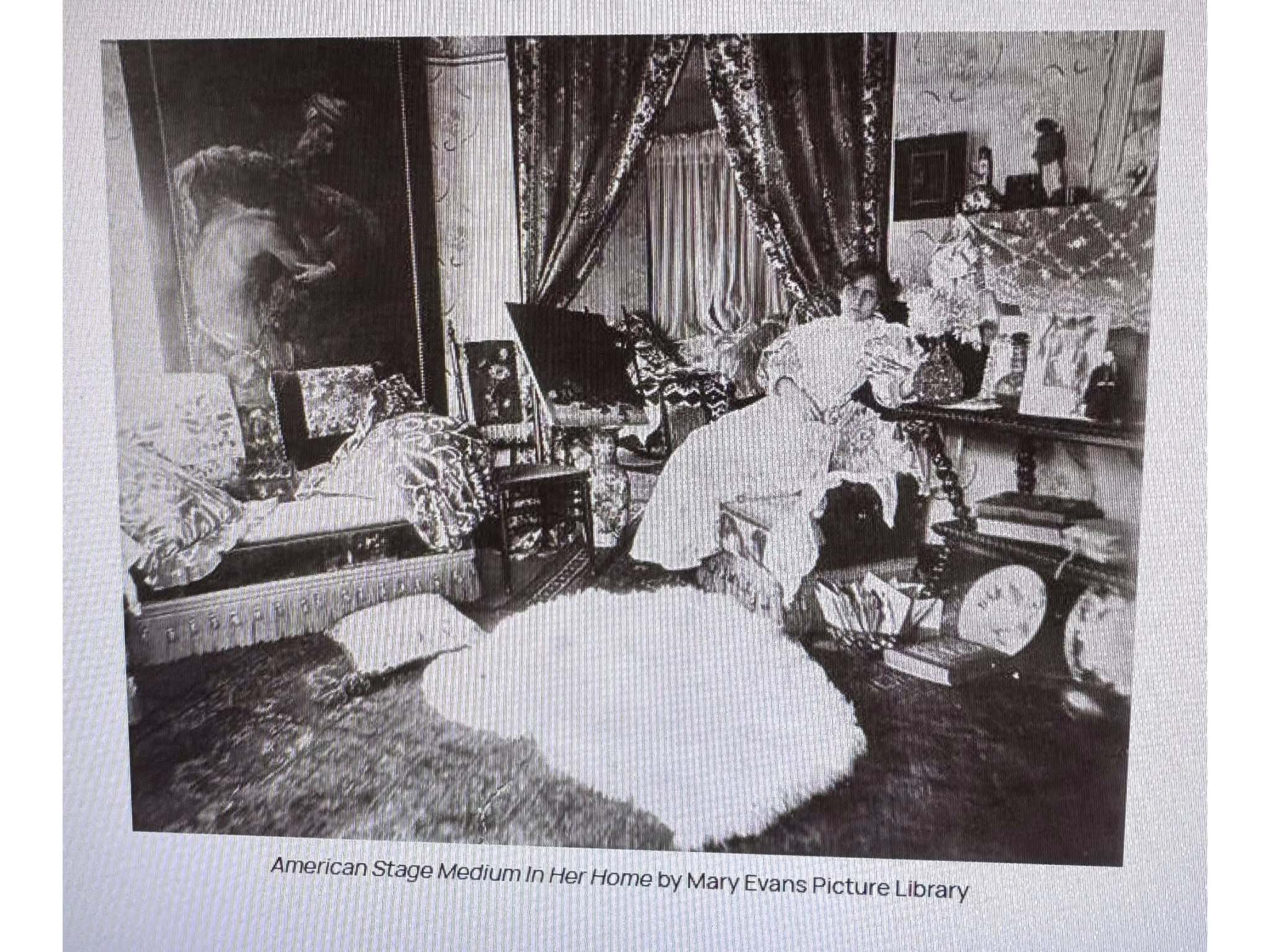
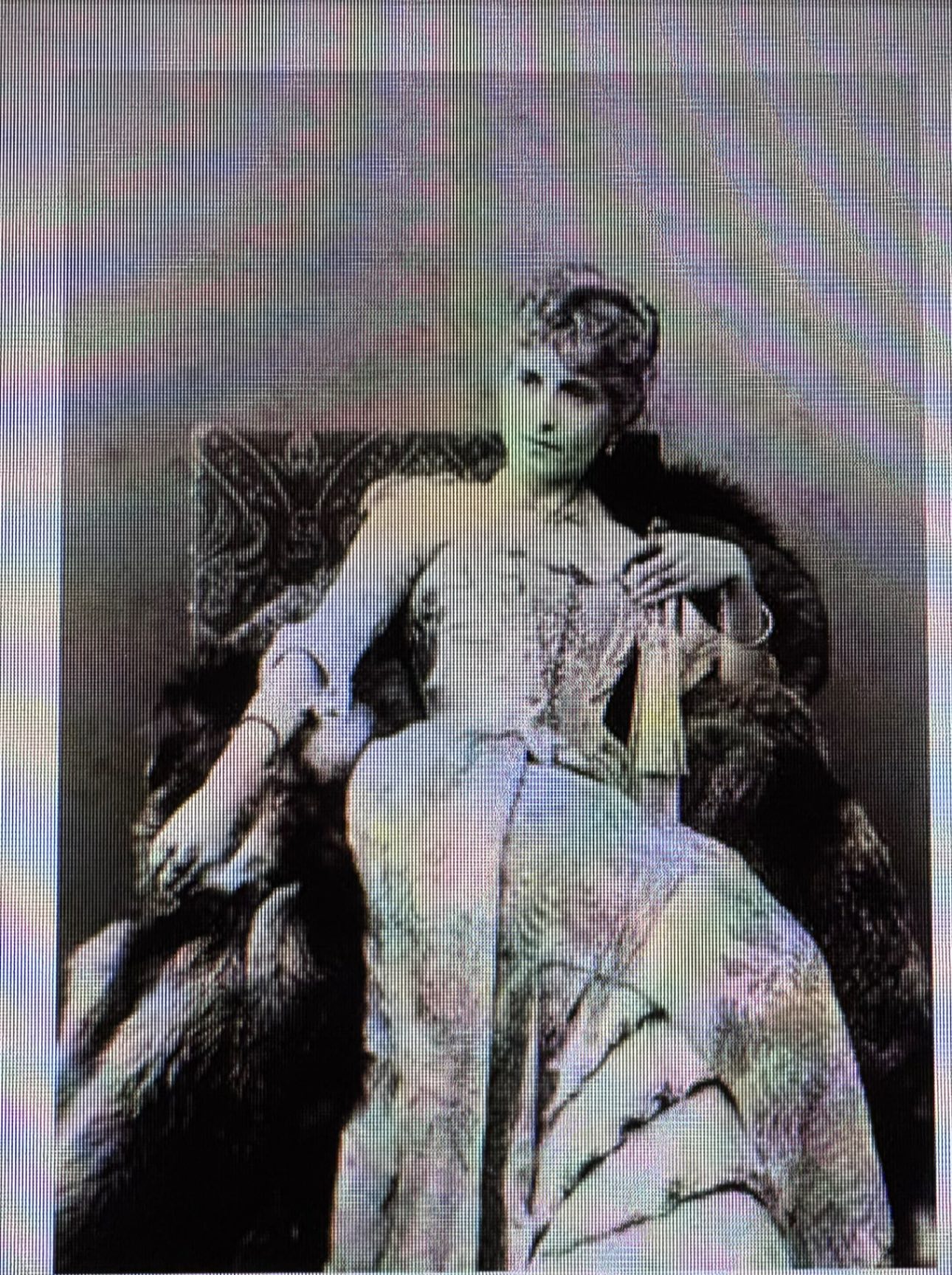
Tucked along Franklin Street stands one of Melrose’s most fascinating historic homes — a grand Victorian once owned by the legendary spiritualist and performer Anna Eva Fay. Known to her audiences as a mind-reader and medium, Fay was among the most celebrated entertainers of the early 20th century. Her talents — equal parts mystery and showmanship — drew packed theaters, curious skeptics, and even a few famous friends, including Harry Houdini and Sir Arthur Conan Doyle.
Originally born Ann Eliza Heathman in 1851 in Ohio, Fay’s early years were modest. Her mother died when she was young, and with little formal education, she relied on intuition, observation, and a keen sense of human nature. By her teens, she was conducting small-town séances for ten cents a sitting, mesmerizing neighbors with inexplicable raps, moving objects, and whispered messages from “beyond.”
In the 1870s, she met medium H. Melville Fay, who became both her husband and stage partner. Under his guidance, she transformed from a rural clairvoyant into a refined performer, adopting the stage name Anna Eva Fay. Together they toured the United States and Europe, presenting “spirit manifestations” and mind-reading acts.
Fay’s performances drew immense crowds. Her signature act often involved being tied to a chair on stage while inexplicable phenomena unfolded around her — ringing bells, waving curtains, mysterious touches — convincing many that unseen forces were at work. Later, she refined her show into one of telepathy and suggestion, calling herself a “scientific psychic.” Her talents earned her international acclaim, and in 1913 she became the first woman honorary associate of London’s Magic Circle.
Among her acquaintances were Harry Houdini, who admired her artistry, and Sir Arthur Conan Doyle, creator of Sherlock Holmes, a firm believer in spiritualism who was fascinated by Fay’s gifts.
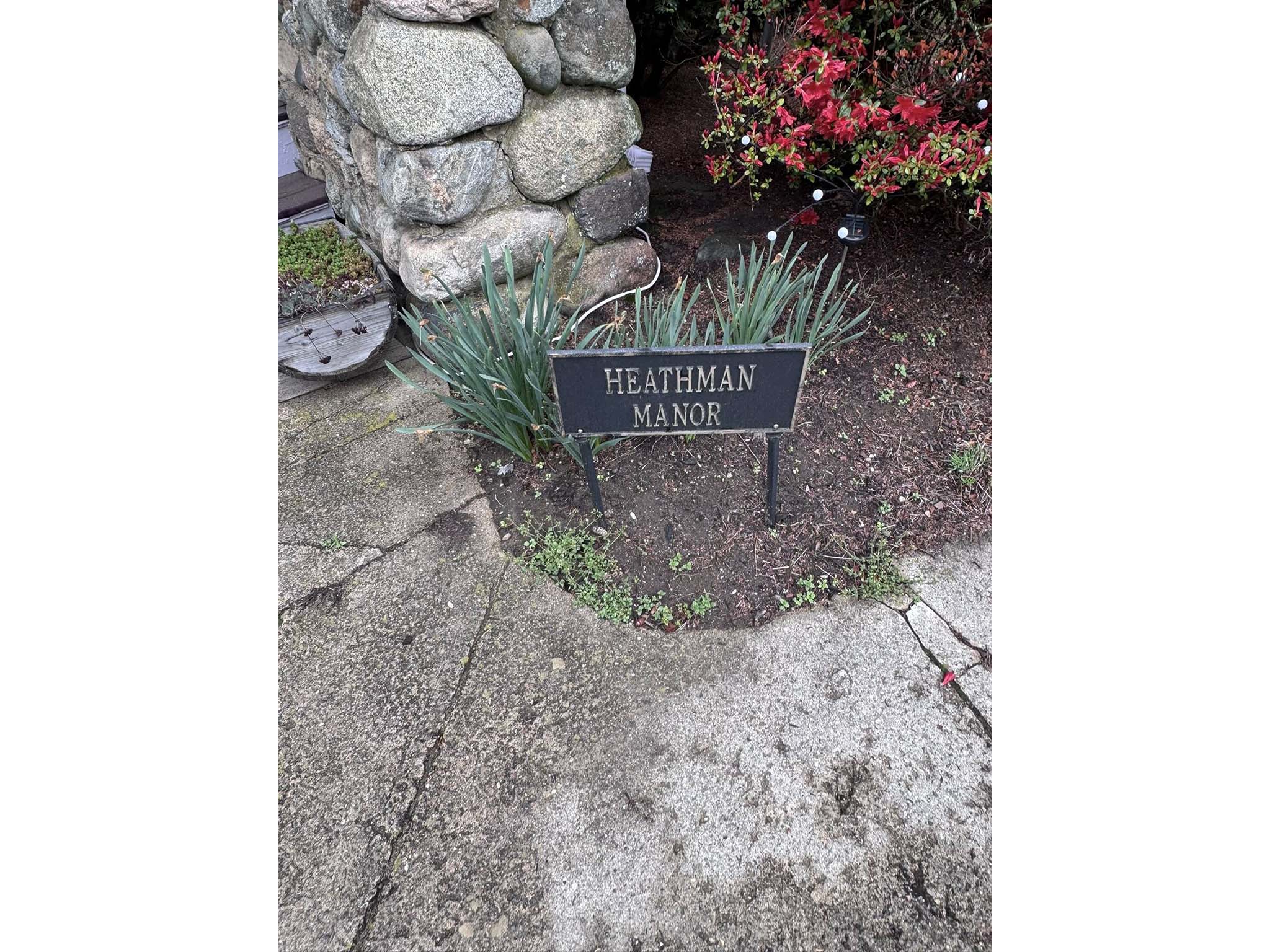
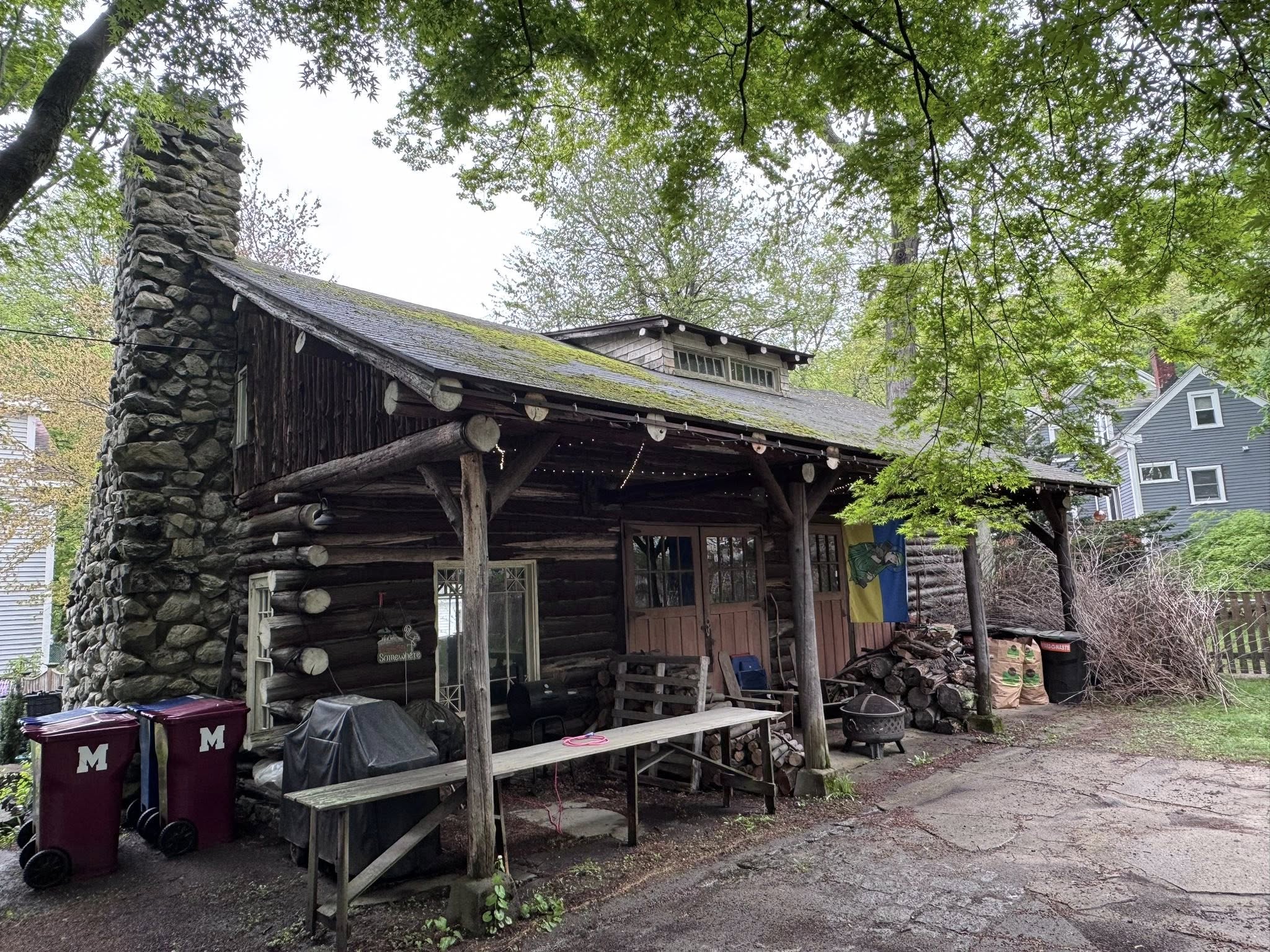
After her husband’s death in 1889, Fay settled in Melrose, naming her grand Victorian home Heathman Manor after her maiden name. The house became a local landmark and a gathering place for artists, thinkers, and entertainers. Filled with mementos from her travels — rare objects, Japanese maples, and art from around the world — the property also featured a log-cabin studio where she prepared lectures and entertained distinguished guests. She later married her stage manager, David H. Pingree, who remained her devoted companion until her passing.
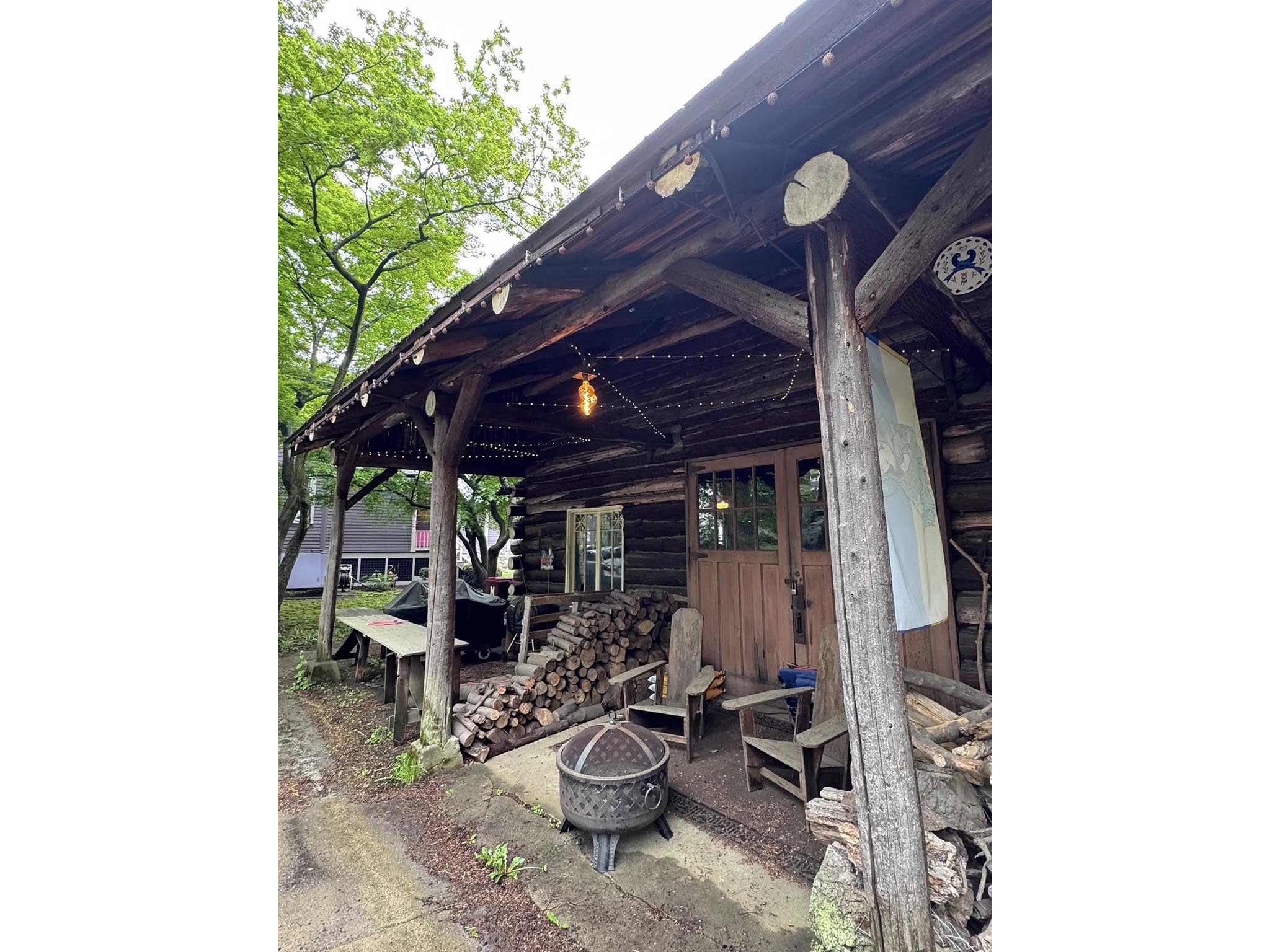
Fay’s log cabin studio behind the main house served as her private retreat — part study, part performance space. With its massive stone fireplace, stained-glass windows, and secluded charm, it was here she prepared her lectures and demonstrations. Today, the cabin remains one of the most distinctive features of the property.
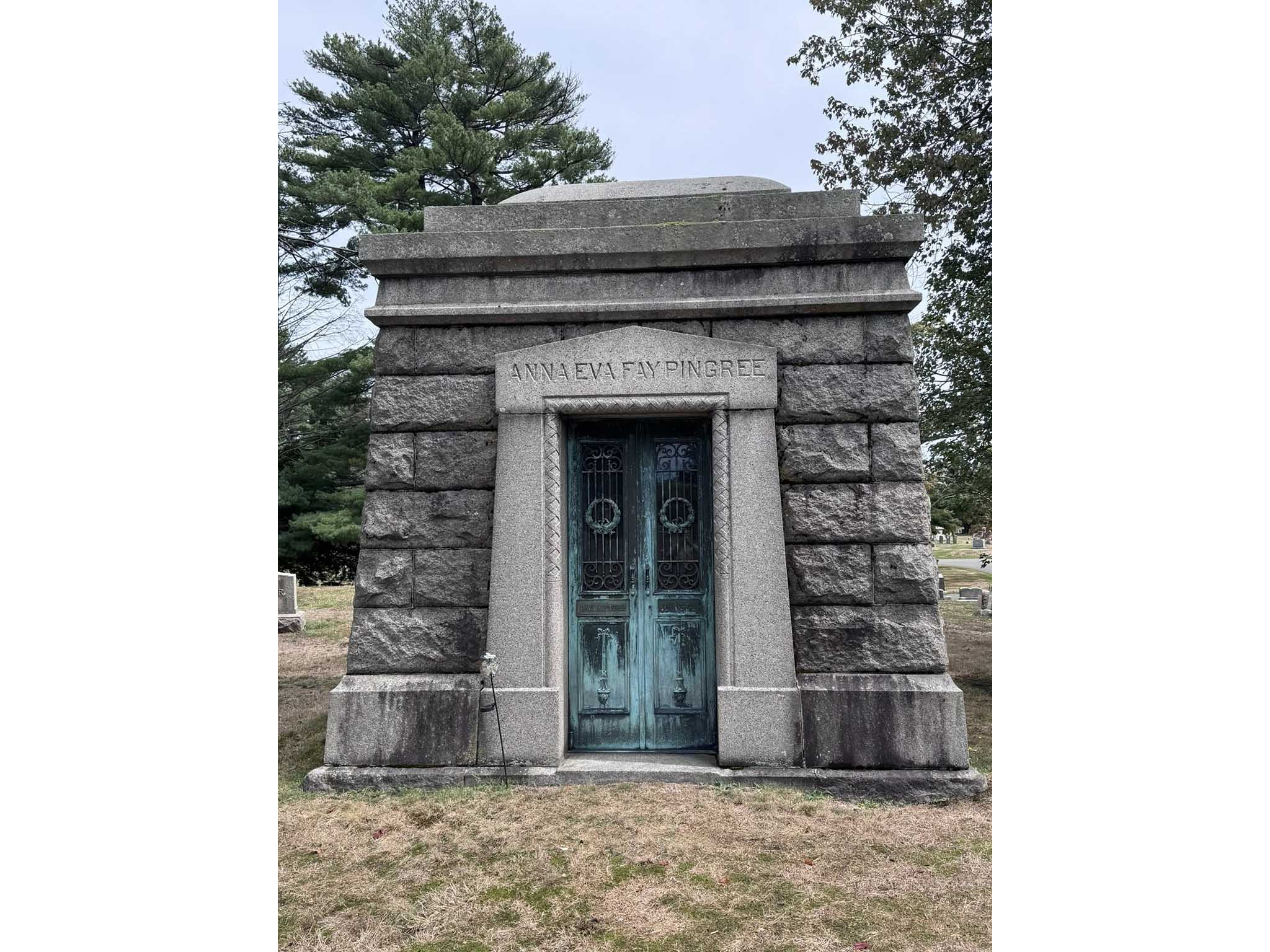
Her son, John Truesdell Fay, born in 1877, also joined her act. In 1908 tragedy struck when John accidentally shot himself while handling a pistol. Fay built the striking granite family mausoleum in Melrose’s Wyoming Cemetery that same year for her son’s body.
Fay’s career spanned more than fifty years, from the 1870s to the 1920s. After a stage accident in Milwaukee in 1924, she retired from performing. Beyond the stage, Fay proved to be a savvy businesswoman and philanthropist, investing in quarries, real estate, and even a steamship line.
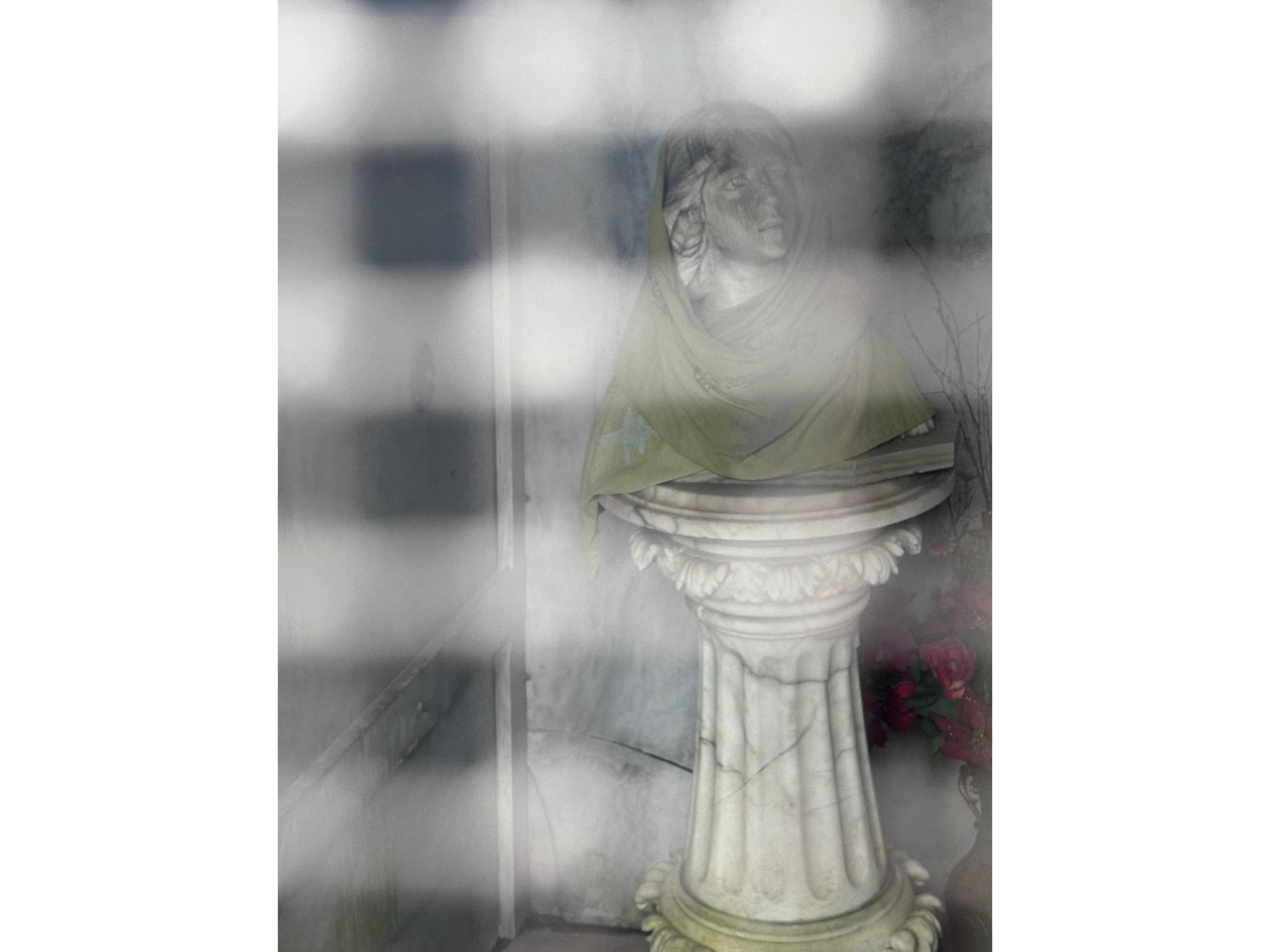
She died on May 20, 1927, at age 76, possibly of heart failure, and was laid to rest beside her son in the Wyoming Cemetery. Over the mausoleum doorway is inscribed her name: Anna Eva Fay Pingree. Inside rests an ivory bust of the legendary “mind reader.”
By the time of her death, Fay had transformed from a small-town medium into an international celebrity. Historians now regard her as a pioneer of mentalism and psychological illusion — a woman who bridged magic, science, and mystery in an era hungry to believe in the impossible.
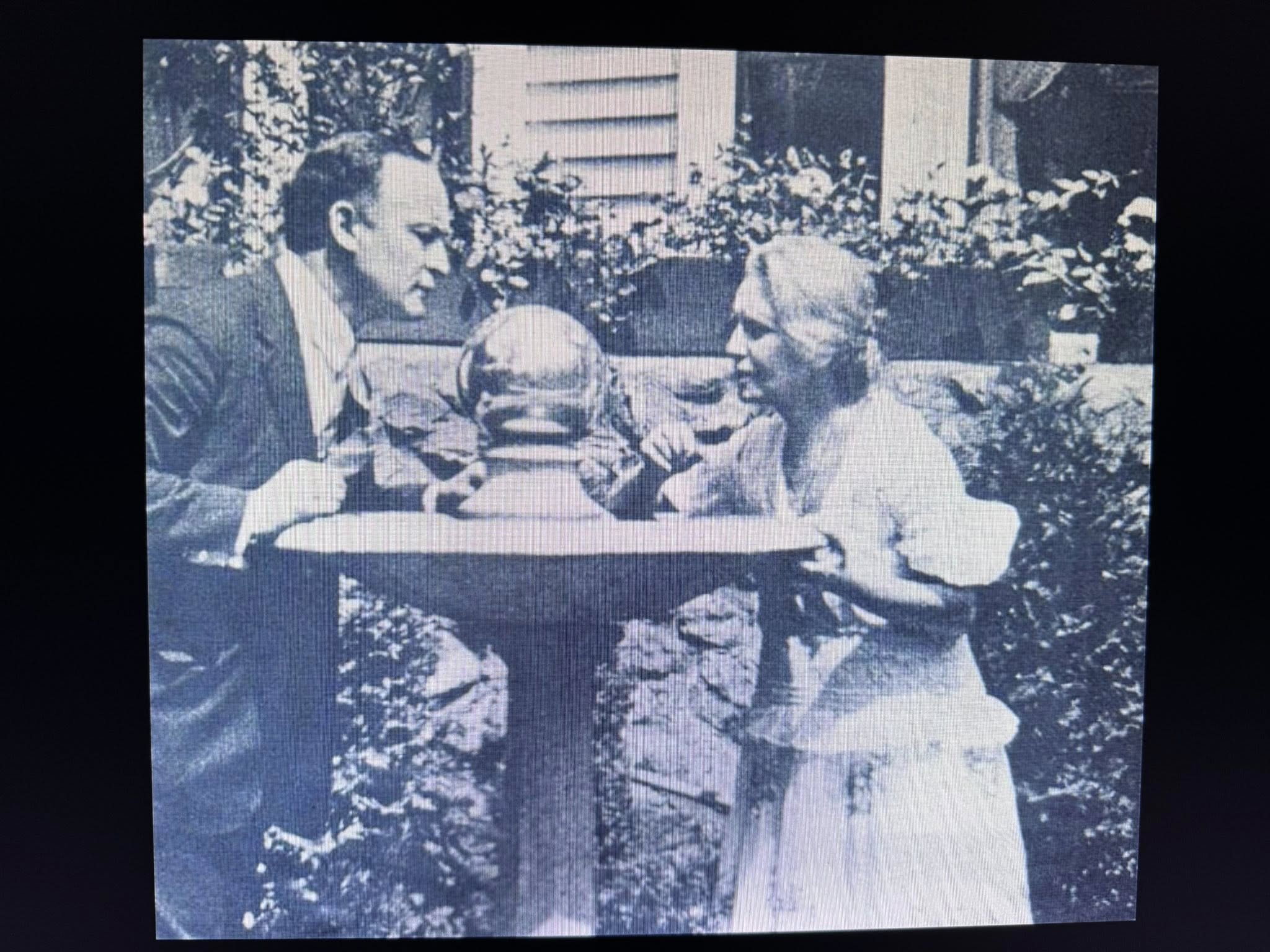
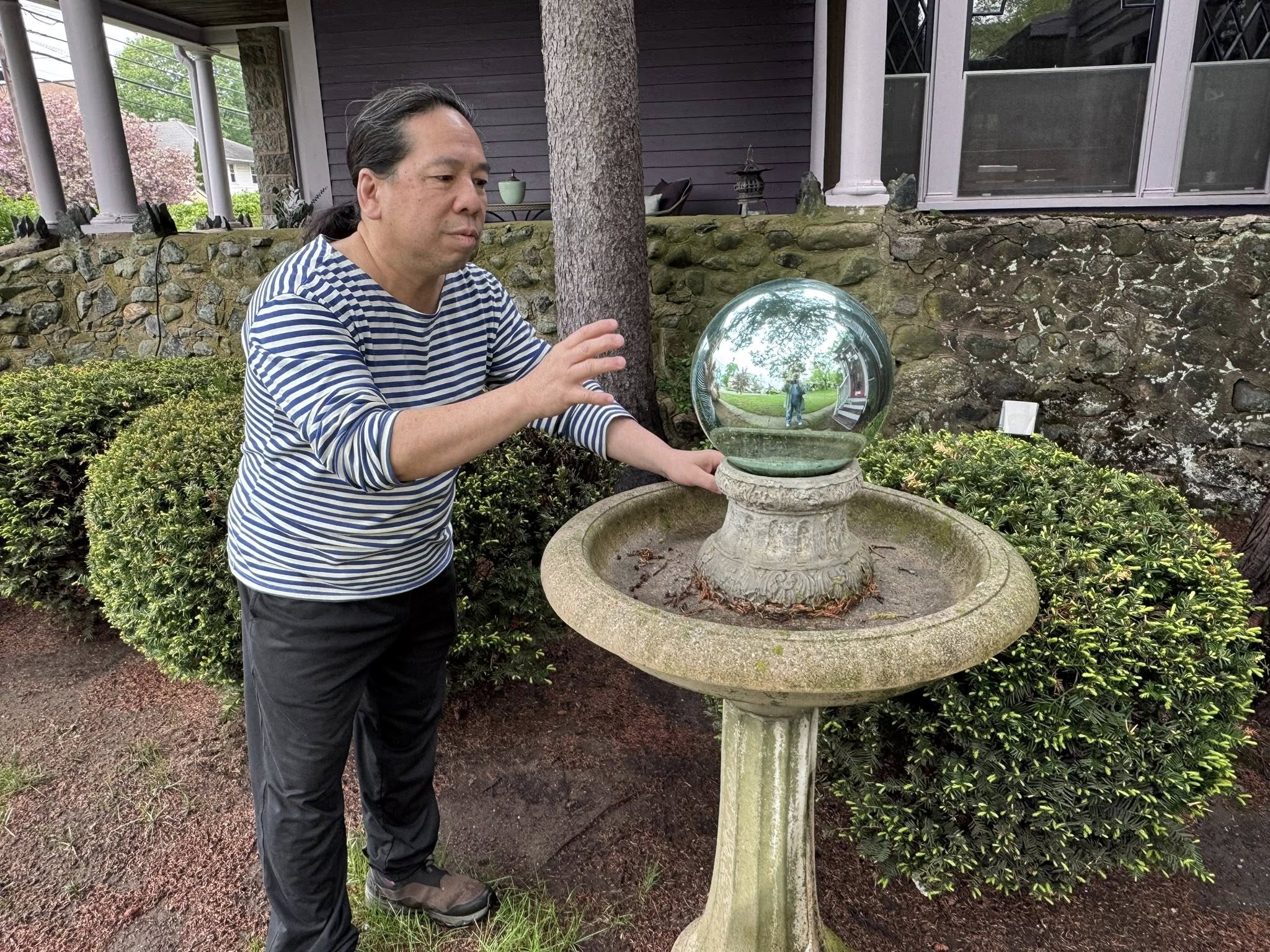
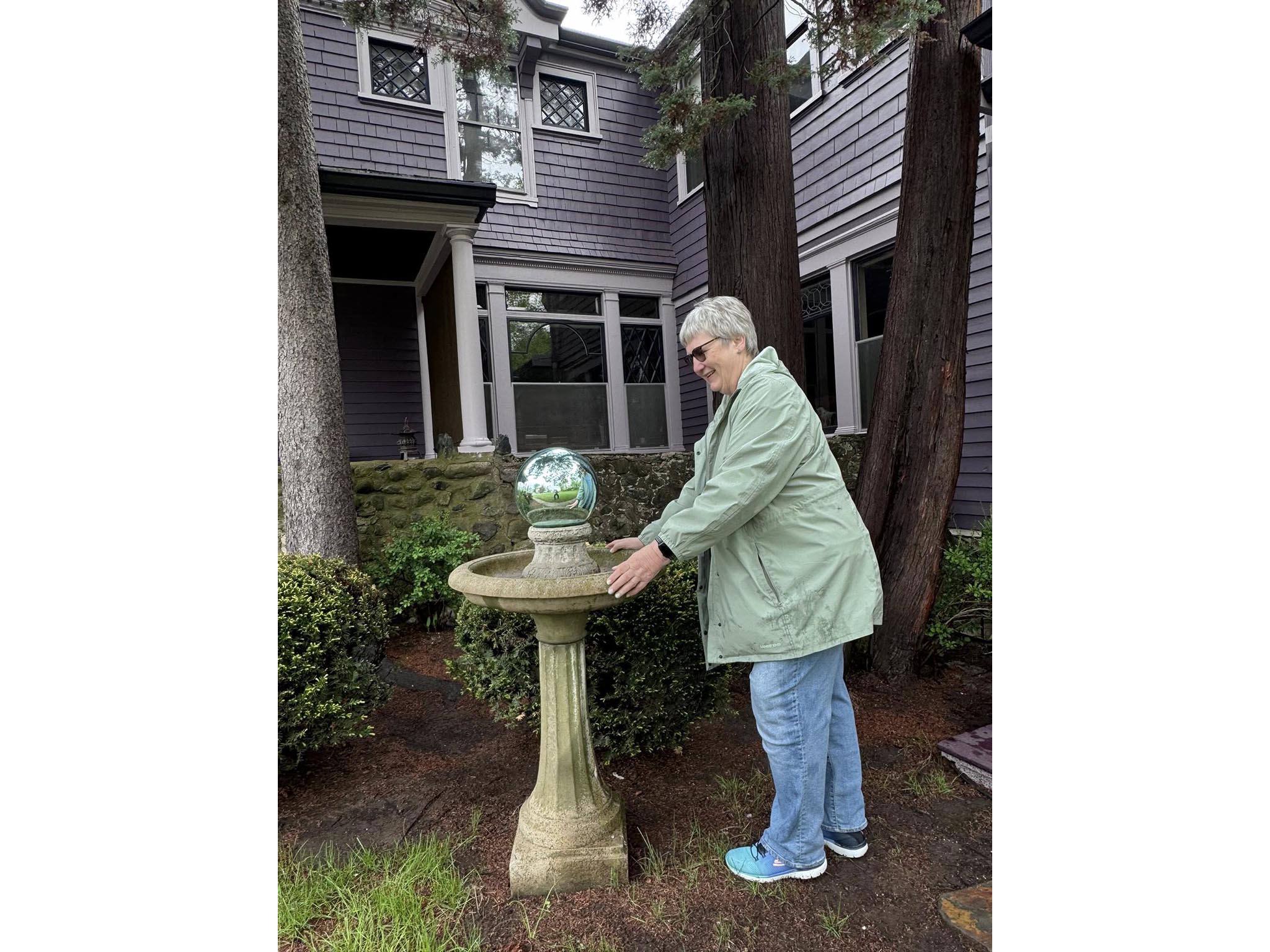
After Fay’s death, the home passed through several hands but retained much of its original magic. Later owners lovingly preserved the craftsmanship and even revived touches reminiscent of Fay’s day — including a recreated gazing ball and birdbath like those captured in a famous 1924 photograph of Houdini visiting the estate. The property also hides a secret staircase tucked behind kitchen cabinetry, said to have been used by servants to discreetly move between floors during elegant gatherings.
Now affectionately remembered by locals as the “Haunted House of Melrose,” Heathman Manor’s true legacy lies not in ghostly whispers but in the remarkable woman who called it home. A pioneer in her craft and a bridge between the world of mysticism and theater, Anna Eva Fay left behind a home — and a story — as enchanting as her performances.
Over a century later, her story still fascinates. Heathman Manor remains in the family, home to her great-grandniece Jennifer Yee and her husband Gene, keeping alive the legacy of Melrose’s most mysterious resident. Thanks to the current owners, this elegant Victorian has been lovingly restored to its former grandeur, serving as a reminder of Melrose’s surprising connections to magic, mystery, and the golden age of wonder.