Herbert Philbrick: A Cold War Spy in Melrose
Written by Nancy Clover
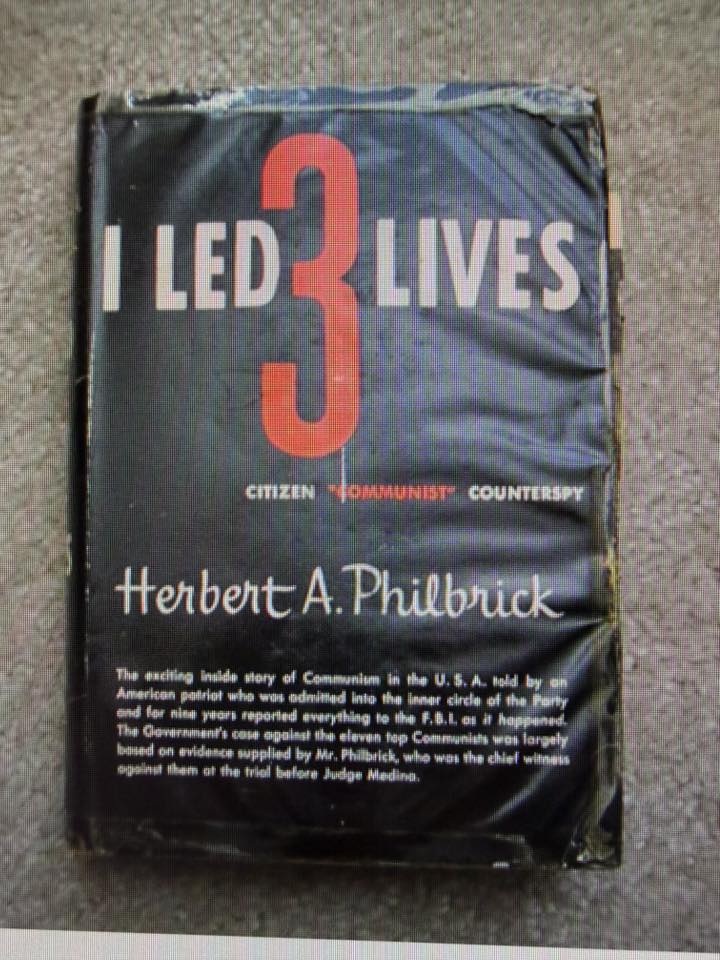
A real Cold War spy once lived in Melrose.
Herbert Arthur Philbrick (1915–1993) was a Boston advertising executive who became one of the FBI’s most well-known undercover operatives during the 1940s.
From mid-1944 through the late 1940s, Philbrick lived with his family at 248 Tremont Street in Melrose, quietly blending into neighborhood life while secretly reporting to the FBI.
Philbrick’s recruitment began almost by accident. He joined what he believed was a peace-oriented civic group in Cambridge, only to grow uneasy about its rigid power structure and ideology. Trusting his instincts, he contacted the FBI — and instead of pulling out, he was encouraged to go deeper.
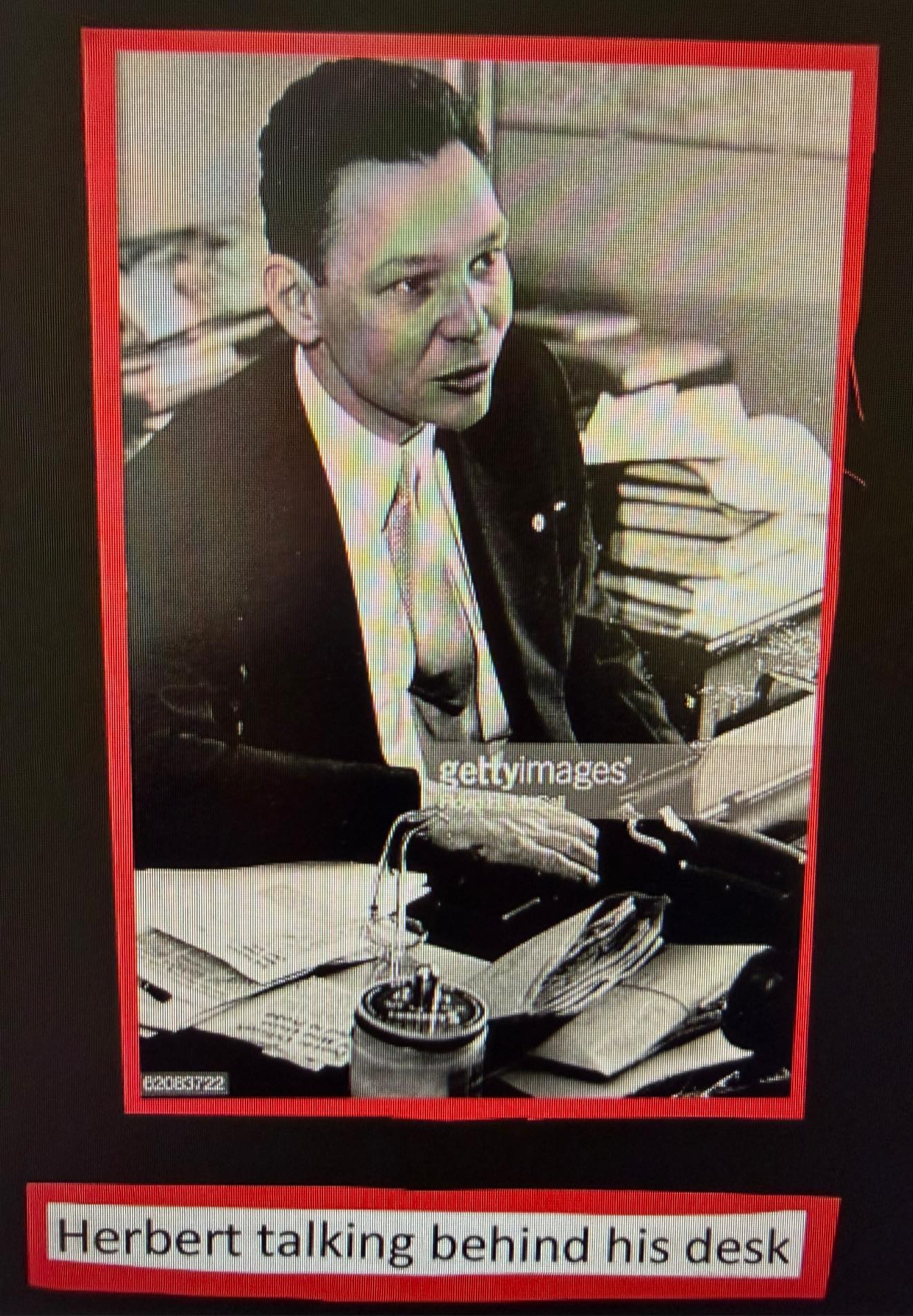
Over the next nine years, Philbrick infiltrated Communist front groups, the Young Communist League, and eventually the Communist Party USA itself, operating in Melrose, Wakefield, Malden, and surrounding communities.
He later described the emotional toll of living “three lives” at once: a family man and church youth leader; a trusted Communist Party member; and a covert FBI informant.
The constant secrecy, fear of exposure, and moral weight of deception stayed with him long after his undercover work ended.
In 1949, Philbrick stunned the nation when he publicly revealed his identity as a counterspy during the Foley Square trial, testifying against Communist Party leaders and helping secure convictions under the Smith Act.
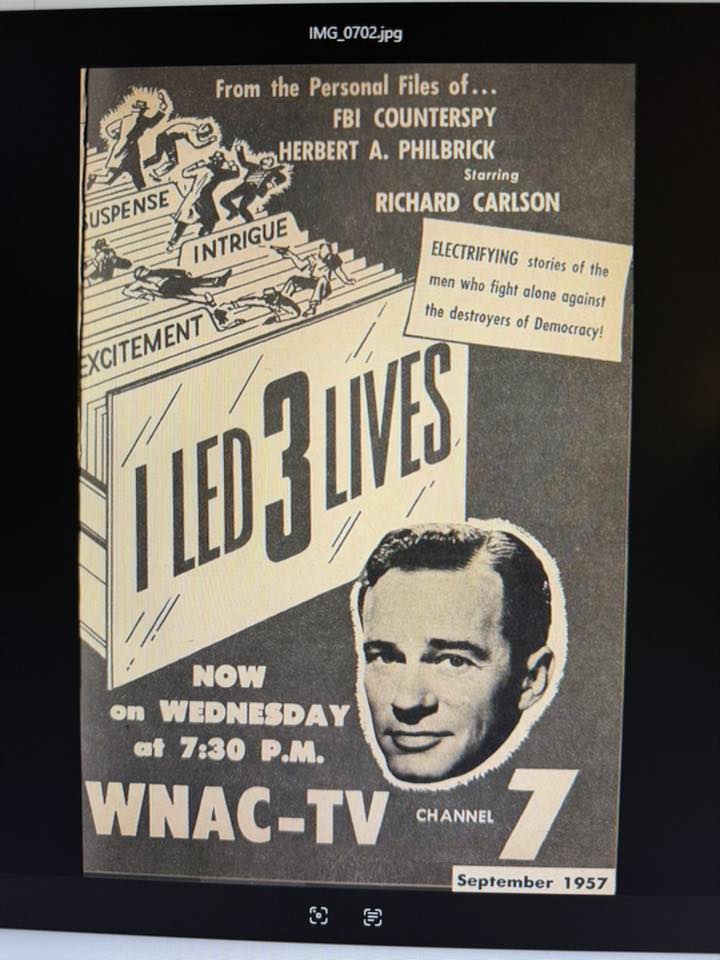
His story reached an even wider audience in 1952 with the publication of his bestselling memoir, I Led Three Lives: Citizen, Communist, Counterspy, which later inspired the popular 1950s television series I Led 3 Lives. The book turned the Melrose resident into a national symbol of the early Cold War era.
From a quiet Melrose neighborhood to the center of American political history, Philbrick’s story proves that even small cities can hide very big secrets.