Reflection: Why Your Vote in Local Elections Matters
By Ellen Putnam
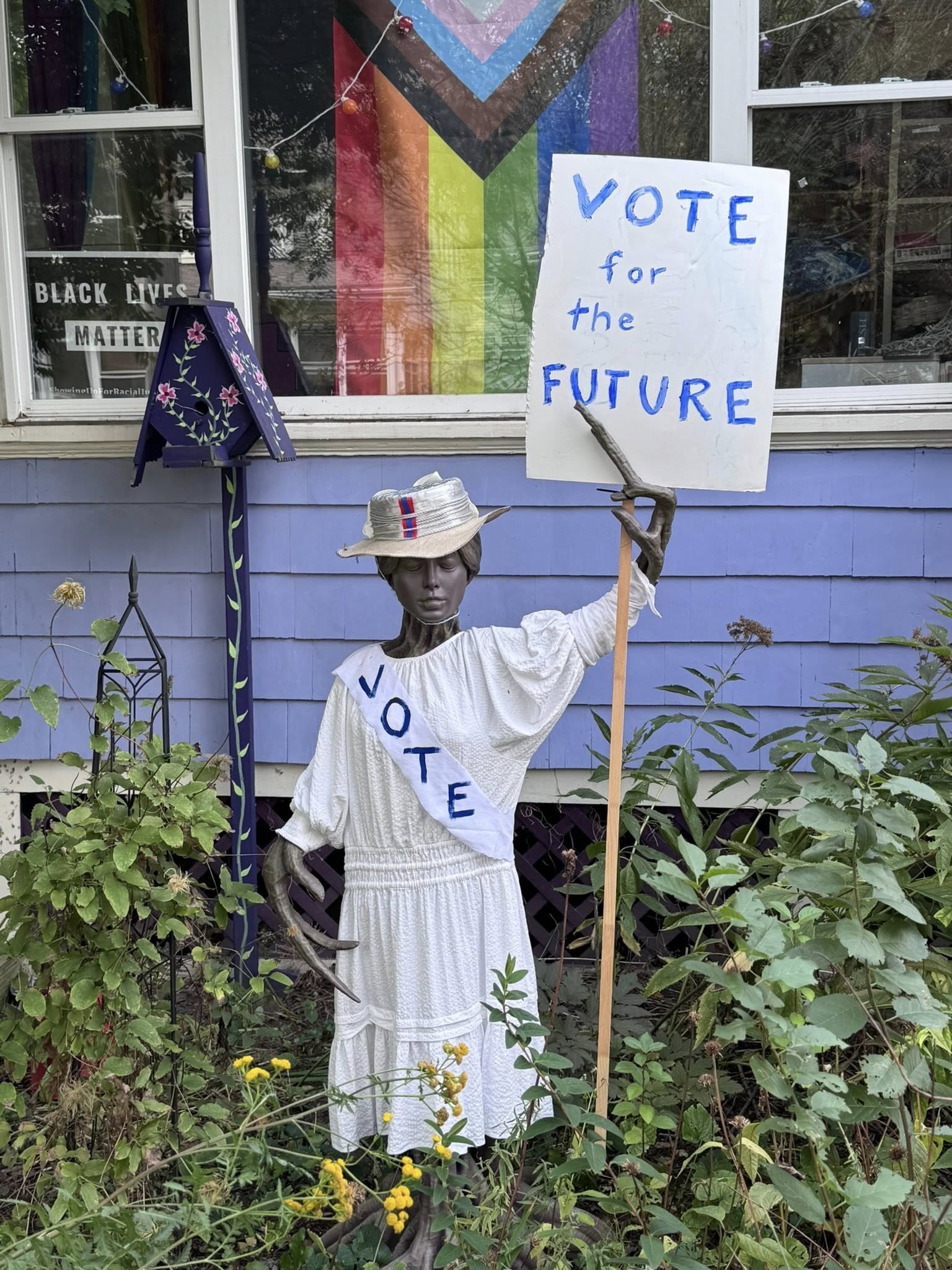
Photo Credit: Nancy Clover
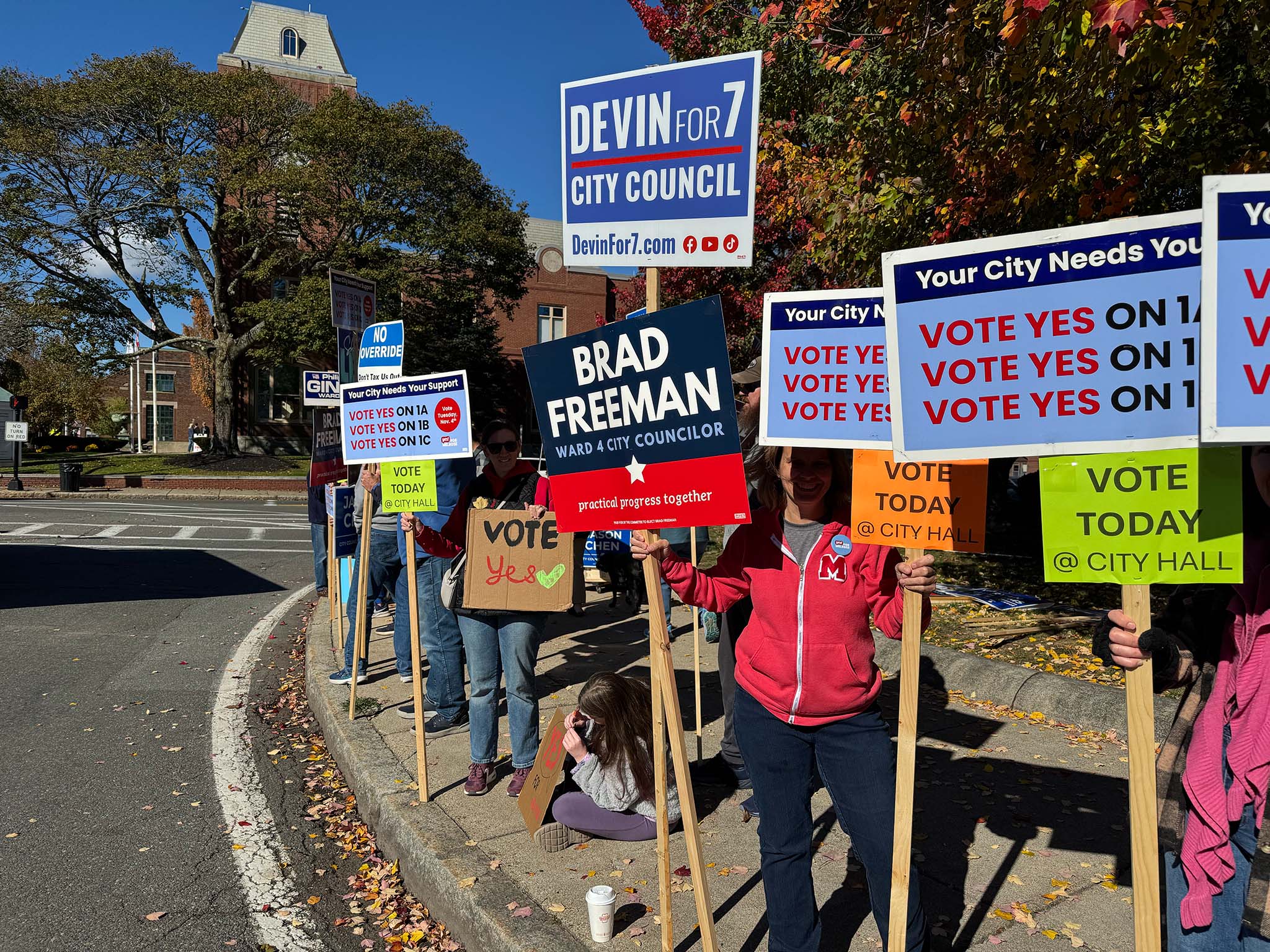
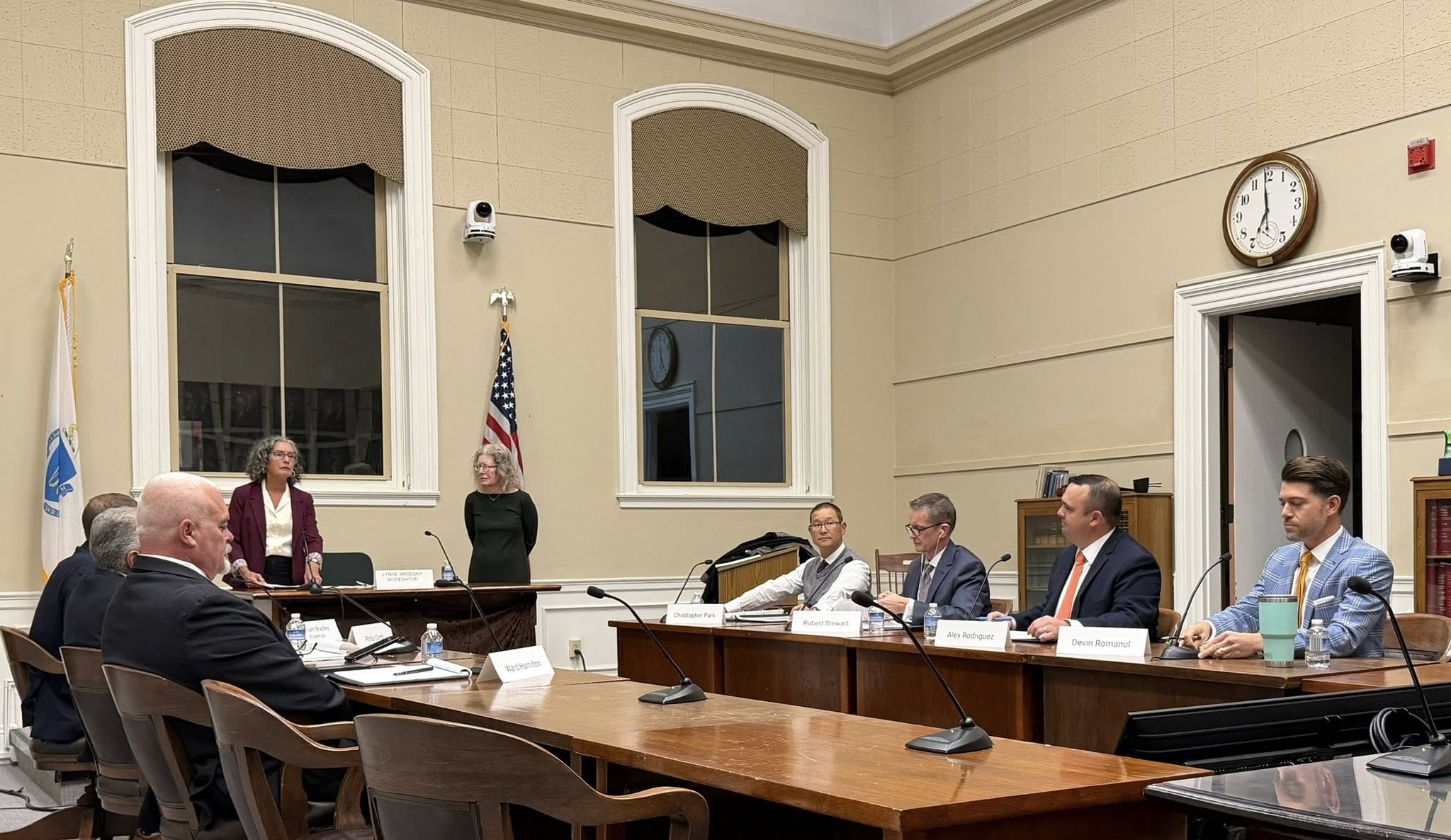
As we head into a local election that feels quite contentious for our city of only 30,000 people - one that we here at The Melrose Messenger have been covering extensively since the outlines of who and what would be on the ballot first started to become clear in the spring - we decided to take a moment to reflect on what makes local elections different from the state and presidential races that occupy much of our national attention.
Nationally, presidential elections see much higher turnout than state and local elections do. The 2024 presidential election saw 64% turnout across the U.S., and almost 79% of registered voters in Melrose turned out to vote in that election.
Compare that to Melrose’s recent local elections: the 2023 mayoral election saw only 42% turnout; and in the 2021 local election, where only one race - School Committee - was contested, only 16% of registered voters came out to vote.
A lot of this comes down to what we pay attention to: the president and, to a lesser extent, our congressional delegation, make the news much more often than our state senator and state representative do. And with the decline of local news in many places, municipal office holders in many smaller cities and towns only seem to make the news if something very bad happens.
But the choices that our local officials make - what to spend money on; who to hire and retain in key positions; how residents are taxed and what fees they pay; how schools and public safety departments are run; what infrastructure to repair and when; what policies are in place and who they protect (or don’t) - can deeply affect residents’ lives, often in a more concrete and visible way than national or even state politics do.
And the issues that will be decided in this year’s local election will be especially important for everyone in Melrose. If an override passes, then property owners will see a significant increase on their taxes. If no override passes, then we will very likely see more cuts to city services next year, potentially including the closure of one of the city’s five elementary schools.
On top of that, our city councilors and School Committee members will make some key decisions next year: they will decide what to add back if an override passes, and what to cut if it doesn’t. And the School Committee will be responsible for hiring a superintendent for next year and negotiating new contracts with the Melrose Educators Union.
While the candidate field this year isn’t quite as large as it was in 2023, when ten candidates were running for four at-large positions on the City Council, we were pleased to see that ten out of the fourteen positions on this year’s ballot are contested. We believe that contested races are healthy for our local democracy - they get more people involved and they get people excited for Election Day. And, most importantly, they give people choice in who they want to lead them.
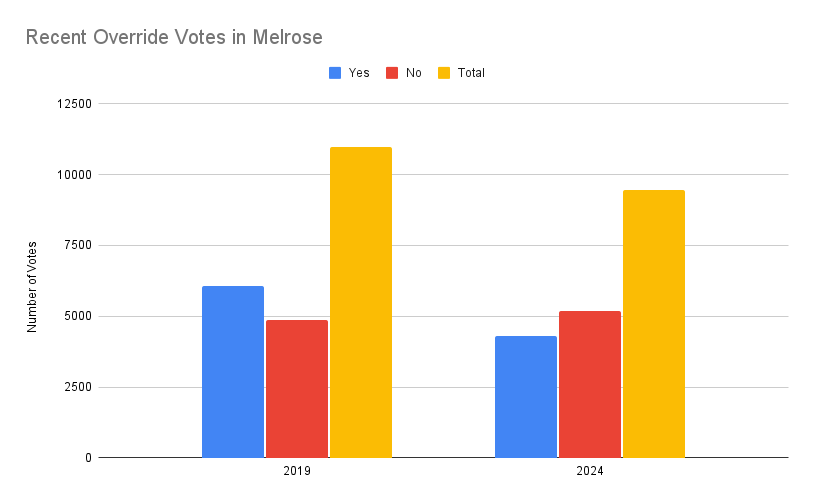
Chart: Results for the two most recent override elections in Melrose
And while your vote might feel like a drop in the ocean in a presidential election, especially in a consistently blue state like Massachusetts, your vote can have a much larger impact on local races.
In 2019, for example, when current City Councilor At Large Ryan Williams first ran for City Council in Ward 7, he lost to Cory Thomas by only four votes. And in 2023, in the Ward 6 City Council race - that election’s closest race - Cal Finocchiaro defeated Barb Travers by only 56 votes.
Even citywide races can end up being quite close. In that crowded At Large race in 2023, 107 votes separated Ward Hamilton in fourth place and Ed O’Connell in fifth place - which meant that Hamilton won a seat on the City Council and O’Connell did not.
In each of the city’s two most recent override votes - the successful override in 2019 and the failed override in 2024 - the winning position carried 55% to 45%. But the breakdown of those two votes was quite different, and appeared to come down in significant part to turnout.
In 2019, 6,079 citizens voted for the override and 4,875 against - a difference of 1,204 votes - with total turnout in that election of 10,954 (54%). Then, in 2024, 4,296 citizens voted for the override and 5,174 against - a difference of 878 votes - with total turnout of 9,475 (44%).
This translates to 1,783 fewer votes for the override in 2024 compared to 2019; 300 more votes against the override in 2024; and 1,479 fewer votes cast in total in 2024. So even if some of those numbers look large, it ultimately came down to individual voters’ choices to show up - or not - and what they voted for that made the difference in those two votes.
When a lot can feel outside your control, voting in local elections is one thing you can do that is concrete, quick, and easy, and can make a real difference. So make your voice heard and go vote!
For more information about this year’s municipal election, visit our Election page.